
Introduction
Few things worry a parent more than a hot, flushed forehead in the middle of the night. Fever is one of the most common reasons parents call a pediatrician or rush to a clinic, especially in children under five years old.
The good news is that fever, in most cases, is not dangerous by itself. It is the body’s natural way of fighting infection. What matters is understanding why the fever is happening, watching for warning signs, and giving the right medicine — under a doctor’s guidance — at the right time.
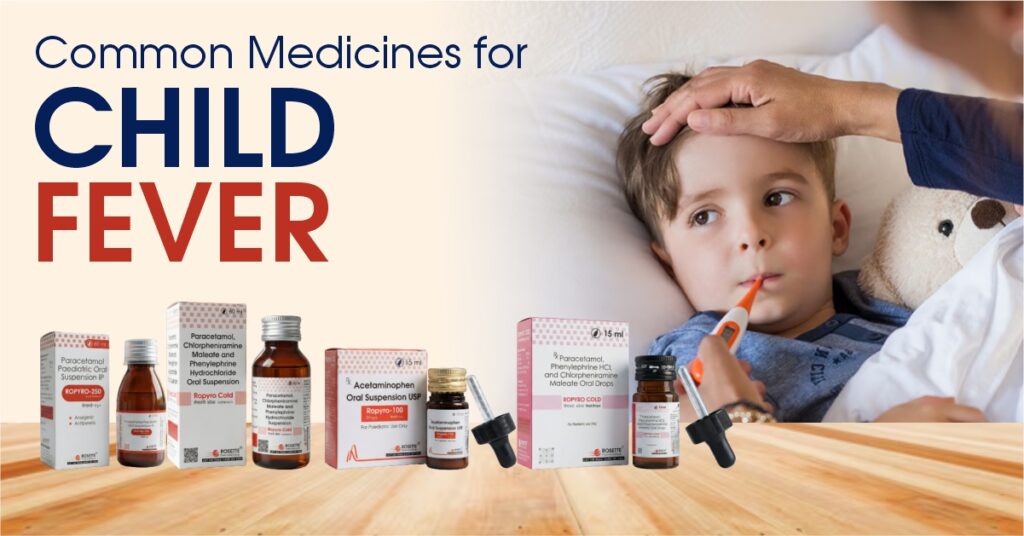
This guide explains the common causes of child fever, the medicines doctors typically use to manage it, and how to care for your child safely at home. It also introduces some pediatric formulations manufactured by Rosette Pharma, so parents can recognize them if a pediatrician prescribes one.
A quick but important note: this article is for education only. It is not a substitute for medical advice. Always consult a qualified pediatrician before giving your child any medicine, including paracetamol.
What Is Fever in Children?
Fever is not a disease. It is a symptom — a sign that the body’s immune system is actively responding to an infection or, less commonly, another underlying condition.
When the body detects viruses, bacteria, or other triggers, the brain’s temperature control centre (the hypothalamus) raises the body’s set-point temperature. This helps the immune system work more efficiently and makes the environment less friendly for many pathogens.
Because fever is a symptom and not the underlying illness, treating fever alone does not “cure” anything. The medicine only makes the child more comfortable while the immune system — or, when needed, a prescribed treatment — deals with the actual cause.
Normal Body Temperature in Children
A child’s normal body temperature can vary slightly depending on age, time of day, activity level, and the method used to measure it.
| Measurement Method | Normal Range | Fever Threshold |
|---|---|---|
| Rectal | 36.6°C – 38.0°C (97.9°F – 100.4°F) | ≥ 38.0°C (100.4°F) |
| Oral | 35.5°C – 37.5°C (95.9°F – 99.5°F) | ≥ 37.8°C (100°F) |
| Axillary (armpit) | 34.7°C – 37.3°C (94.5°F – 99.1°F) | ≥ 37.5°C (99.5°F) |
| Ear (tympanic) | 35.8°C – 38.0°C (96.4°F – 100.4°F) | ≥ 38.0°C (100.4°F) |
For infants under 3 months, a rectal temperature is generally considered the most reliable, and any fever in this age group should be treated as urgent and reviewed by a doctor without delay.
Common Causes of Fever
Fever in children has many possible causes. Identifying the cause is important because treatment differs depending on whether the trigger is viral, bacterial, or something else entirely.
Viral Infections
Most childhood fevers are caused by viruses. Common viral illnesses include colds, flu, hand-foot-and-mouth disease, and viral gastroenteritis. Viral fevers usually resolve on their own within a few days and do not need antibiotics.
Bacterial Infections
Some fevers are caused by bacteria, such as urinary tract infections, pneumonia, or strep throat. These may need antibiotics, but only after a doctor confirms a bacterial cause — often through examination or lab tests.
Ear Infection
Middle ear infections (otitis media) are a frequent cause of fever in young children, often following a cold. Symptoms may include ear pain, tugging at the ear, and irritability.
Throat Infection
Sore throats caused by viruses are common and usually mild. Bacterial throat infections, such as strep throat, tend to cause higher fever, severe pain, and sometimes swollen glands, and may need antibiotic treatment prescribed by a doctor.
Flu
Influenza can cause sudden high fever, body aches, chills, and fatigue. It is viral and typically managed with rest, fluids, and fever-reducing medicine rather than antibiotics.
Common Cold
The common cold is one of the most frequent childhood illnesses. It usually causes a mild to moderate fever alongside a runny nose, cough, and congestion, and resolves without specific treatment.
Vaccination Fever
Mild fever after a vaccine is common and expected. It is a sign that the immune system is building protection. It usually settles within a day or two and is generally mild.
Teething Myth
Many parents believe teething causes high fever. Medical evidence suggests teething may cause a very mild rise in temperature or irritability, but it does not cause high fever. If a baby has a high fever during teething, another cause should be checked by a doctor.
Symptoms That Require Immediate Medical Attention
Most fevers can be safely managed at home under medical guidance, but certain signs need urgent evaluation:
- Fever in an infant younger than 3 months
- Fever above 40°C (104°F)
- Fever lasting more than 3 days
- Difficulty breathing or fast breathing
- Persistent vomiting or inability to keep fluids down
- Signs of dehydration (dry mouth, no tears, reduced urination, sunken eyes)
- Unusual drowsiness, difficulty waking up, or extreme irritability
- Seizures or convulsions
- Stiff neck or severe headache
- Rash that does not fade when pressed
- Bluish lips or skin
If any of these appear, contact a pediatrician or emergency service immediately — do not wait to “see if the fever comes down” first.
How Doctors Diagnose Fever
Because fever is a symptom, doctors focus on identifying its underlying cause. A pediatric evaluation typically includes:
- Medical history: duration of fever, associated symptoms, recent vaccinations, exposure to sick contacts, travel history
- Physical examination: checking ears, throat, chest, abdomen, skin, and hydration status
- Temperature confirmation: using an accurate thermometer and method suited to the child’s age
- Laboratory tests (if needed): blood counts, urine tests, throat swabs, or imaging such as a chest X-ray, depending on symptoms
Doctors use this information to decide whether the fever is viral (usually managed with supportive care) or bacterial (which may need antibiotics).
Common Medicines Used for Child Fever
The following table gives a general overview of medicines commonly used for fever in children. This is for educational reference only — a pediatrician must decide which medicine, if any, is appropriate for your child.
| Medicine | Medicine Type | Uses | Suitable Age | Prescription Needed | Common Side Effects |
|---|---|---|---|---|---|
| Paracetamol (Acetaminophen) | Antipyretic / Analgesic | Reduces fever and mild-to-moderate pain | Infants and children (as advised by doctor) | Available OTC, but pediatric use should be doctor-guided | Rare at recommended doses; liver stress if overdosed |
| Ibuprofen | NSAID (Antipyretic / Analgesic / Anti-inflammatory) | Reduces fever, pain, and inflammation | Generally 6 months and above (doctor-guided) | Available OTC, but pediatric use should be doctor-guided | Stomach upset, not advised if dehydrated or with certain conditions |
| Amoxicillin | Antibiotic (Penicillin group) | Treats susceptible bacterial infections | All pediatric ages, doctor-prescribed | Prescription only | Diarrhea, rash, allergic reactions |
| Amoxicillin + Clavulanic Acid | Antibiotic (Penicillin + Beta-lactamase inhibitor) | Treats broader range of bacterial infections | Pediatric doses as prescribed | Prescription only | GI upset, diarrhea, allergic reactions |
| Cefpodoxime Proxetil | Antibiotic (Cephalosporin group) | Treats susceptible bacterial respiratory and other infections | Pediatric doses as prescribed | Prescription only | GI disturbances, allergic reactions |
| Aspirin | Salicylate | Not recommended for children | Not suitable for children with viral illness | N/A | Risk of Reye’s syndrome |
Important: Antibiotics work only against bacteria. They do not work against viruses and should never be used for viral fever, colds, or flu. Using antibiotics unnecessarily can lead to antibiotic resistance and side effects without any benefit.
Rosette Pharma Medicines for Child Fever
Rosette Pharma manufactures a range of pediatric formulations that doctors may prescribe depending on the diagnosed cause of a child’s fever. Below is general information about these formulations. None of these should be given without a pediatrician’s prescription and guidance.
1. Ropyro Suspension (Paracetamol Oral Suspension)
Ropyro Suspension is a paracetamol-based oral suspension formulated for children.
- Uses: Paracetamol is commonly used to reduce fever and relieve mild-to-moderate pain, such as discomfort after vaccination or minor aches during common illnesses.
- How it reduces fever: Paracetamol acts on the brain’s temperature-regulating centre to help bring an elevated body temperature back toward normal, offering comfort while the underlying illness runs its course.
- Safety: Paracetamol is widely used in pediatrics when dosed correctly. However, the correct amount depends on the child’s weight and age, and must always be determined by a pediatrician or pharmacist — never estimated by a parent.
- General dosage principles: Dosing is typically calculated based on the child’s body weight and is given at specific intervals as advised by the doctor, not more frequently. Exceeding the recommended amount can be harmful, and combining it with other paracetamol-containing products should always be avoided unless a doctor confirms it is safe.
- Side effects: Generally well tolerated at doctor-recommended doses. Rare side effects can include allergic reactions or, in cases of overdose, liver stress — which is why exact dosing guidance from a healthcare provider is essential.
- Storage: Store at room temperature, away from direct sunlight and moisture, and keep out of children’s reach. Do not use after the expiry date printed on the pack.
Learn more about Ropyro Suspension
2. Ropyro Drops
Ropyro Drops are a concentrated paracetamol formulation designed for infants, where smaller, more precise dosing volumes are often needed.
- Infant fever: Drops allow for small, measured doses suited to infants, who need much smaller quantities of medicine than older children.
- Pain relief: Like the suspension, drops may also be used for mild pain relief when advised by a doctor, such as discomfort following routine vaccinations.
- Pediatrician supervision: Because infants are more sensitive to medicine dosing errors, Ropyro Drops should only be given strictly as prescribed, using the dropper provided, and never estimated by eye.
3. Refpo-50 Dry Syrup (Cefpodoxime Proxetil)
Refpo-50 Dry Syrup contains cefpodoxime proxetil, an antibiotic from the cephalosporin group.
- Used only for susceptible bacterial infections: Refpo-50 may be prescribed for confirmed or strongly suspected bacterial infections, such as certain respiratory or ear infections, where the causative bacteria are known to respond to cefpodoxime.
- Not effective against viral fever: This medicine has no effect on viruses. It should never be given for common colds, flu, or other viral illnesses, as this does not help the child and can contribute to antibiotic resistance.
- Importance of completing the prescribed course: Even if the fever settles early, the full course prescribed by the doctor should be completed. Stopping early can allow surviving bacteria to develop resistance, making future infections harder to treat.
4. Refpo-100 Dry Syrup
Refpo-100 Dry Syrup is a higher-strength cefpodoxime proxetil formulation, generally reserved for cases where a doctor determines a higher dose is clinically appropriate.
- Bacterial respiratory infections: May be prescribed for infections such as bacterial bronchitis or certain ear, nose, and throat infections when caused by susceptible organisms.
- Pediatric prescription medicine: As with all antibiotics, this formulation should be given strictly according to the prescribed dose, frequency, and duration, and only after a doctor has diagnosed a bacterial infection.
5. Rosclav Dry Syrup (Amoxicillin + Clavulanic Acid)
Rosclav Dry Syrup combines amoxicillin with clavulanic acid, which helps the antibiotic remain effective against certain bacteria that would otherwise resist plain amoxicillin.
- When doctors may prescribe it: This combination is often considered for infections where bacteria may produce enzymes that break down amoxicillin alone, such as some recurrent ear infections or sinus infections.
- Bacterial infections associated with fever: May be used for confirmed bacterial infections of the respiratory tract, ears, or skin, depending on the doctor’s clinical judgment.
- Precautions: Should be avoided in children with a known allergy to penicillin-group antibiotics. Parents should inform the doctor about any prior allergic reactions to antibiotics before this medicine is prescribed.
Which Medicines Should NOT Be Given Without Medical Advice?
Parents often want to help their child feel better quickly, but some choices can do more harm than good.
- Antibiotics: Never give antibiotics — including any leftover from a previous illness or prescribed to a sibling — without a current doctor’s assessment. Antibiotics do not work on viral fever and inappropriate use fuels resistance.
- Adult medicines: Never give adult formulations or adult-strength tablets to children, even in a “smaller amount.” Pediatric formulations are designed with age-appropriate concentrations and safety margins.
- Aspirin in children: Aspirin is generally avoided in children with viral illnesses due to the risk of Reye’s syndrome, a rare but serious condition affecting the liver and brain.
- Multiple fever medicines together: Combining or alternating different fever medicines without medical guidance can lead to accidental overdosing, especially since many combination cold/flu products already contain paracetamol.
Home Care Tips
Alongside any doctor-advised medicine, simple home care measures can help a child feel more comfortable:
- Hydration: Offer water, oral rehydration solution, or breast milk/formula for infants frequently, even in small sips.
- Rest: Allow the child to rest as much as they need; avoid strenuous activity or school until fever resolves.
- Light clothing: Dress the child in light, breathable clothing and avoid over-bundling, which can trap heat.
- Lukewarm sponge: A lukewarm (not cold) sponge on the forehead, neck, and underarms can offer comfort. Avoid ice or alcohol-based rubs, which can cause shivering or skin irritation.
- Nutritious food: Offer light, easily digestible meals; do not force a full appetite if the child is unwilling to eat.
- Monitoring temperature: Check temperature periodically using a reliable thermometer and note any changes in behaviour alongside the numbers.
When Should Parents Visit a Doctor?
While many fevers settle with home care, parents should seek medical attention if:
- The child is younger than 3 months with any fever
- Fever persists beyond 2–3 days
- The child appears unusually unwell, lethargic, or difficult to console
- There are additional symptoms like rash, breathing difficulty, or repeated vomiting
- The child has an existing health condition that makes fever riskier
- Home care measures and doctor-approved medicine are not helping
When in doubt, it is always safer to consult a pediatrician than to wait and watch.
Prevention Tips
While not all fevers can be prevented, some steps reduce the risk of frequent infections:
- Keep vaccinations up to date as per the recommended schedule
- Encourage regular handwashing, especially before meals
- Maintain a balanced, nutritious diet to support immunity
- Ensure adequate sleep and hydration
- Avoid close contact with visibly sick individuals when possible
- Keep the child’s environment clean and well-ventilated
Myths About Child Fever
| Myth | Fact |
|---|---|
| Fever always means serious illness | Most fevers, especially viral ones, are mild and self-limiting |
| Higher fever means a more dangerous infection | Fever height alone doesn’t reliably indicate severity; the child’s overall condition matters more |
| Teething causes high fever | Teething may cause mild irritability but not high fever |
| Antibiotics cure every fever | Antibiotics only work on bacterial infections, not viral ones |
Frequently Asked Questions
1. What is the best medicine for child fever? There is no single “best” medicine for every child. Paracetamol is commonly used for fever relief, but the right choice always depends on the child’s age, weight, and health, as determined by a pediatrician.
2. Can I give paracetamol to my child? Paracetamol is commonly used in children, but the correct dose depends on weight and age. Always confirm dosing with a doctor or pharmacist before giving it.
3. When should I visit a pediatrician? Visit a pediatrician if the fever lasts more than 2–3 days, the child is under 3 months old, or if there are warning signs like difficulty breathing, persistent vomiting, or unusual drowsiness.
4. Can antibiotics treat fever? Antibiotics only treat fever caused by bacterial infections. They have no effect on viral fever and should never be used without a doctor’s diagnosis.
5. Is fever dangerous? Fever itself is usually not dangerous and is a sign the immune system is working. However, very high fevers or fevers with other worrying symptoms need medical evaluation.
6. What temperature is considered high fever? Generally, a temperature of 39°C (102.2°F) or higher is considered high fever, though the exact threshold can vary by measurement method.
7. Can viral fever go away on its own? Yes, most viral fevers resolve on their own within 3–5 days with rest, fluids, and supportive care.
8. How long does fever usually last? Most common viral fevers last 2–4 days. Fever lasting longer than 3 days should be evaluated by a doctor.
9. Can I alternate paracetamol and ibuprofen? Some doctors may recommend alternating in specific situations, but this should only be done under medical supervision due to dosing complexity and overdose risk.
10. Is fever after vaccination normal? Yes, mild fever after vaccination is a common and expected immune response, and it usually resolves within a day or two.
11. What foods should children eat during fever? Light, easily digestible foods like soups, khichdi, fruits, and fluids are generally well tolerated. Avoid forcing a full meal if appetite is low.
12. Should children sleep with a fever? Yes, rest and sleep support recovery. Dress them in light clothing and keep the room comfortably cool.
13. How often should I check my child’s temperature? Checking every few hours, or whenever the child seems unwell, is generally sufficient. Constant checking is not necessary and can add stress.
14. Can dehydration worsen fever? Yes, dehydration can make a child feel worse and can complicate fever management. Encourage regular fluids throughout the illness.
15. When should antibiotics be used? Antibiotics should only be used when a doctor confirms a bacterial infection through examination or tests — never for viral illnesses.
16. Can infants receive fever medicine? Infants can sometimes receive fever medicine, but dosing is extremely weight-sensitive. This should only be done under direct pediatrician guidance.
17. What should I do if the fever doesn’t improve? If fever persists despite doctor-advised medicine and home care, or worsens, contact your pediatrician promptly for reassessment.
18. Can a cold cause fever? Yes, the common cold can cause mild to moderate fever, along with a runny nose, cough, and congestion.
19. Are dry syrups safe for children? Dry syrups, once reconstituted as directed, are a common and convenient way to give pediatric medicine, including antibiotics. Safety depends on correct diagnosis, dosing, and doctor supervision.
20. How can I prevent frequent infections? Maintaining good hygiene, a balanced diet, adequate sleep, and up-to-date vaccinations can help reduce how often a child falls ill.
Conclusion
Fever in children is common, and in most cases, it is a manageable symptom rather than a cause for alarm. Understanding whether a fever is viral or bacterial makes a real difference in how it should be treated — viral fevers generally need supportive care, while bacterial infections may require a doctor-prescribed antibiotic course that should always be completed in full.
Never give antibiotics, adult medicines, or combinations of fever medicines to a child without a pediatrician’s advice. Simple home care — hydration, rest, light clothing, and monitoring — goes a long way in keeping a feverish child comfortable.
Rosette Pharma manufactures a range of pediatric formulations, including paracetamol suspensions and prescription antibiotic dry syrups, that pediatricians may choose from depending on a child’s diagnosis. As with any medicine, these should only be given on a qualified doctor’s recommendation.
When your child has a fever, the safest first step is always the same: consult a pediatrician before giving any medicine.


