Medically reviewed content for patients, caregivers, pharmacists, and healthcare professionals. This article is for general educational purposes only and does not replace advice from a licensed doctor or pharmacist.
Sinus infections, medically known as sinusitis, affect millions of people every year and can cause days of nasal congestion, facial pain, and fatigue. Because of this, many patients search online for the best medicine for sinus infection, hoping for quick and dependable relief. But sinus infections are not all the same — some are caused by viruses, others by bacteria, and each type responds differently to treatment.
This guide explains what causes sinus infections, how doctors diagnose them, and the range of medicine for sinus infection options available today — from nasal drops and decongestants to antibiotics such as amoxicillin-clavulanate, cefpodoxime, and azithromycin. Our goal is to help you understand your options so you can have an informed, confident conversation with your doctor or pharmacist.
⚠ This article does not promote self-medication. Antibiotics and other prescription medicines mentioned here should only be used under the guidance of a qualified healthcare professional.
What is a Sinus Infection?
A sinus infection occurs when the tissue lining the sinuses — the air-filled spaces behind the forehead, cheekbones, and eyes — becomes swollen and inflamed. Normally, sinuses drain mucus freely into the nose. When this drainage is blocked by swelling, allergies, or a cold, mucus builds up and creates an environment where viruses, bacteria, or occasionally fungi can multiply.
Most sinus infections begin as a common cold or seasonal allergy flare-up. In a smaller number of cases, the inflammation persists long enough for bacteria to take hold, turning a viral illness into a bacterial sinus infection that may need targeted treatment.
There are four pairs of sinuses in the human skull: the maxillary sinuses in the cheekbones, the frontal sinuses above the eyes, the ethmoid sinuses between the eyes, and the sphenoid sinuses deeper behind the nose. Any of these can become inflamed individually or together, which is why symptoms can vary from person to person — some feel pressure mainly around the eyes, while others notice it more across the cheeks or forehead.
Understanding this basic anatomy is useful because it explains why sinus infection treatment is rarely one-size-fits-all. A doctor considers which sinuses are affected, how long inflammation has been present, and whether there is an underlying trigger such as allergies before recommending a treatment plan.
Types of Sinus Infection
Sinusitis is generally classified by how long the symptoms last and how often they recur. Understanding the type you may have helps guide the right sinus infection treatment approach.
| Type | Typical Duration | Common Cause |
| Acute Sinusitis | Up to 4 weeks | Usually follows a viral cold; occasionally becomes bacterial |
| Subacute Sinusitis | 4 to 12 weeks | Lingering inflammation after an acute episode |
| Chronic Sinusitis | More than 12 weeks | Allergies, nasal polyps, or structural nasal issues |
| Recurrent Sinusitis | Several acute episodes per year | Underlying allergy, anatomy, or immune factors |
Sinus Infection Symptoms
Sinus infection symptoms can range from mild to severe, and they often overlap with a common cold, which is why self-diagnosis is not always reliable. Common signs include:
- Nasal congestion or a blocked feeling in the nose
- Thick yellow or green nasal discharge
- Facial pain or pressure around the eyes, cheeks, or forehead
- Reduced sense of smell or taste
- Headache that worsens when bending forward
- Post-nasal drip and sore throat
- Cough that is often worse at night
- Fatigue and general body ache
- Mild fever in some cases
- Bad breath or a feeling of fullness in the ears
Because viral and bacterial sinus infection symptoms look so similar, a doctor’s evaluation is usually the only reliable way to tell them apart, especially when symptoms last longer than 10 days.
It’s also worth noting that symptom severity does not always match the underlying cause. Some viral sinus infections cause intense congestion and facial pressure that feel alarming but resolve on their own within a week or two, while some bacterial infections start off mild and gradually worsen. This is exactly why timing and pattern of symptoms — rather than severity alone — matter so much when a doctor is deciding on the right course of action.
Keeping a simple symptom diary, noting when congestion, pain, or fever started and whether they are improving or worsening, can be genuinely useful information to share with your doctor or pharmacist during a consultation.
Causes of Sinus Infection
Identifying the underlying cause is central to choosing the right treatment. Common causes include:
- Viral infections — the most common cause, usually linked to the common cold
- Bacterial infections — often secondary, developing after a viral illness lingers
- Allergic rhinitis and seasonal allergies
- Nasal polyps that block normal drainage
- A deviated nasal septum or other structural issues
- A weakened immune system
- Exposure to smoke, pollution, or strong chemical irritants
- Fungal sinus infections — rare, and more common in people with weakened immunity
⚠ Most sinus infections start as viral illnesses and improve on their own. Viral sinus infection treatment usually focuses on symptom relief rather than antibiotics, since antibiotics do not work against viruses.
Certain groups of people are more prone to developing sinus infections, including those with asthma, uncontrolled allergies, frequent exposure to young children in daycare or school settings, or a history of nasal surgery. People who swim frequently in chlorinated pools or who travel often by air, which changes cabin pressure, may also notice their sinuses are more sensitive. None of these factors guarantee a sinus infection will develop, but they can raise the overall likelihood.
How Doctors Diagnose Sinus Infection
Before recommending any medicine for sinus infection, a doctor typically evaluates the duration, pattern, and severity of symptoms. Diagnostic steps may include:
- A physical examination, including checking the nose, throat, and sinuses
- Reviewing how long symptoms have lasted — bacterial infection is more likely after 10 days without improvement, or if symptoms worsen after initially improving
- Nasal endoscopy to look inside the nasal passages
- Imaging such as a CT scan, usually reserved for chronic or recurrent sinusitis
- Nasal or sinus cultures in cases that do not respond to initial treatment
- Allergy testing when chronic sinusitis appears linked to allergies
Routine X-rays are generally not recommended for diagnosing sinusitis, as they do not reliably distinguish between viral and bacterial causes.
Doctors often describe a pattern called “double sickening,” where a patient initially improves from a cold, then suddenly develops worsening congestion, facial pain, or fever a few days later. This pattern is considered one of the stronger clues pointing toward a bacterial sinus infection, and it’s a detail worth mentioning clearly during a medical consultation.
For patients with chronic or recurrent sinusitis, a referral to an ear, nose, and throat (ENT) specialist may be recommended for a more detailed evaluation, especially if nasal polyps, a deviated septum, or persistent allergies are suspected to be contributing factors.
Best Medicines for Sinus Infection
There is no single “best” medicine that works for everyone — the right choice depends on whether the infection is viral or bacterial, how long symptoms have lasted, and the patient’s overall health. Below is an overview of the medicine categories doctors commonly consider.
1. Antibiotics for Bacterial Sinus Infection
Antibiotics are only appropriate when a doctor suspects or confirms a bacterial sinus infection. They are not effective against viral sinus infections and should never be started without medical supervision, as unnecessary use can contribute to antibiotic resistance and side effects.
Commonly discussed antibiotic options for bacterial sinus infection medicine include:
- Amoxicillin-Clavulanate — frequently considered a first-line option by many treatment guidelines for confirmed bacterial sinusitis.
- Cefpodoxime — a cephalosporin-class antibiotic sometimes prescribed as an alternative, particularly when first-line options are not suitable. Learn more in our detailed guides on Cefpodoxime Proxetil Tablet Uses and Cefpodoxime 200 mg Uses.
- Azithromycin — a macrolide antibiotic that may be considered for patients with penicillin allergies, depending on a doctor’s assessment. Read our guide on Azithromycin Tablet Uses to learn more.
- Doxycycline — another alternative sometimes used in adult patients, based on individual suitability.
Cefpodoxime for sinus infection and amoxicillin-clavulanate for sinus infection are both discussed frequently online, but neither is universally “strongest” or “best” — the right antibiotic depends on the patient’s medical history, allergy status, local resistance patterns, and the doctor’s clinical judgment. A course is usually prescribed for a limited number of days, and it is important to complete the full course exactly as directed, even if symptoms improve early.
⚠ Antibiotics for sinus infection should only be taken under medical supervision, at the dose and duration prescribed by a qualified doctor. Never self-prescribe or share antibiotics with others.
When selecting an antibiotic, doctors typically weigh several factors together: how likely a bacterial cause is based on symptom duration and pattern, any known drug allergies, other medicines the patient is already taking, pregnancy or breastfeeding status, kidney or liver function, and local patterns of antibiotic resistance. This is why two patients with similar symptoms may still be prescribed different antibiotics, or why one patient might not be prescribed an antibiotic at all.
It’s also worth understanding that starting to feel better after a few days of antibiotics does not mean the infection is fully cleared. Stopping a course early, even when symptoms ease, can allow surviving bacteria to multiply again and may contribute to antibiotic resistance over time. Always finish the full course exactly as your doctor has prescribed unless you are advised otherwise.
2. Nasal Drops and Sprays for Sinus Infection
Nasal drops for sinus infection are often among the first treatments recommended, since they act directly on the nasal passages:
- Saline nasal drops or rinses — help clear mucus, moisten dry nasal passages, and are generally considered safe for regular use, including in children, under a doctor’s or pharmacist’s guidance.
- Steroid nasal sprays — such as fluticasone or mometasone, help reduce inflammation and swelling; these usually need several days of consistent use to show noticeable effect.
- Decongestant nasal sprays — such as oxymetazoline, provide short-term relief but are generally not recommended for more than three consecutive days, as longer use can cause rebound congestion.
3. Oral Decongestants and Sinus Congestion Medicine
Oral decongestants such as pseudoephedrine may help relieve sinus congestion medicine needs by narrowing swollen blood vessels in the nasal lining. These are not suitable for everyone — people with high blood pressure, heart conditions, or certain other conditions should check with a doctor or pharmacist before use.
4. Pain and Fever Relief
Facial pain, headache, and mild fever are often managed with paracetamol or combination pain relievers such as aceclofenac and paracetamol, which may be considered when inflammation and pain are more pronounced. Read our detailed guide on Aceclofenac and Paracetamol Uses to understand this combination better. Any pain reliever should be used strictly according to label instructions or medical advice, particularly for patients with liver, kidney, or stomach conditions.
5. Antihistamines for Allergy-Related Sinus Symptoms
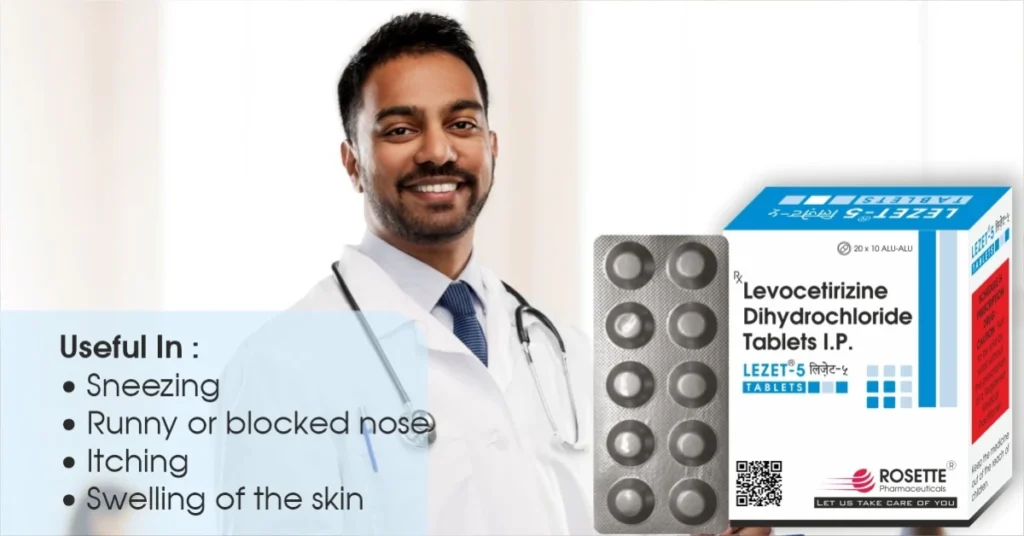
When allergies contribute to sinus congestion, doctors may consider antihistamine combinations such as montelukast and levocetirizine to manage both nasal allergy symptoms and associated inflammation. You can learn more in our article on Montelukast and Levocetirizine Uses.
6. Mucolytics
Mucolytic agents such as bromhexine or ambroxol are sometimes recommended to thin thick mucus, making it easier for the sinuses to drain naturally alongside other treatments.
7. Managing Antibiotic Side Effects
Some antibiotics can cause nausea or an upset stomach. In such cases, a doctor may prescribe supportive medicines such as domperidone. Our guide on Domperidone Tablet Uses explains how this type of medicine is generally used.
8. Medicine Forms for Children
Children are often prescribed medicines in liquid form rather than tablets. If you’re unsure why a doctor prescribed a suspension instead of a syrup, our explainer on the Difference Between Suspension and Syrup breaks down the distinction in simple terms.
9. Understanding Other Prescribed Medicines
During treatment, doctors sometimes prescribe additional medicines depending on a patient’s broader health picture — for example, other antibiotic classes such as ofloxacin for unrelated bacterial infections (see our Ofloxacin Uses guide), or acid-reducing medicines like pantoprazole and rabeprazole if a patient is on multiple medications (see Pantoprazole vs Rabeprazole). If you would like a general primer on how to read and understand prescribed medicines, our Tablet Uses Guide is a useful starting point.
Comparison Table: Medicine Options for Sinus Infection
| Medicine Type | Examples | Typically Used For | Key Notes |
| Antibiotics | Amoxicillin-Clavulanate, Cefpodoxime, Azithromycin, Doxycycline | Confirmed or strongly suspected bacterial sinus infection | Prescription only; complete the full course as directed |
| Nasal Steroid Sprays | Fluticasone, Mometasone | Reducing nasal inflammation and swelling | May take several days of regular use for full effect |
| Decongestant Sprays/Tablets | Oxymetazoline, Pseudoephedrine | Short-term relief of nasal blockage | Nasal sprays generally not for more than 3 days |
| Saline Nasal Drops/Rinses | Isotonic or hypertonic saline | Clearing mucus, moisturizing nasal passages | Generally safe for regular use under guidance |
| Pain/Fever Relievers | Paracetamol, Aceclofenac + Paracetamol | Headache, facial pain, mild fever | Use as per label or doctor’s advice |
| Antihistamines | Levocetirizine, Montelukast + Levocetirizine | Allergy-driven sinus symptoms | Most useful when allergies are a trigger |
| Mucolytics | Bromhexine, Ambroxol | Thinning thick mucus for easier drainage | Often combined with other therapies |
⚠ This table is for general educational reference only. It does not recommend any specific product for your condition. A doctor or pharmacist should determine the most suitable medicine after evaluating your symptoms and medical history.
Foods to Avoid During a Sinus Infection
Diet alone cannot cure a sinus infection, but certain foods may worsen congestion or inflammation for some people. It’s generally sensible to limit:
- Dairy products, which some people find thicken mucus
- Sugary foods and drinks, which may promote inflammation
- Fried, greasy, or heavily processed foods
- Alcohol, which can dehydrate the body and worsen nasal swelling
- Excess caffeine, which can contribute to dehydration
- Very cold foods or iced drinks, which some people find worsen congestion
On the other hand, warm fluids such as soups, herbal teas, and plenty of water can help keep mucus thin and support natural drainage.
Foods that are naturally rich in vitamin C, such as citrus fruits and leafy greens, along with warm, spiced foods like ginger or turmeric-based dishes, are often mentioned as comforting choices during recovery. These are supportive dietary habits rather than proven treatments, and they should complement — not replace — any medical care your doctor recommends.
Prevention Tips for Sinus Infections
While not every sinus infection can be prevented, several everyday habits can meaningfully lower your risk, particularly if you tend to get sinus infections often:
- Wash your hands frequently to reduce exposure to cold and flu viruses
- Manage seasonal allergies proactively with your doctor’s guidance
- Use a clean humidifier to keep indoor air from becoming too dry
- Avoid smoking and secondhand smoke exposure
- Stay well-hydrated throughout the day
- Treat colds and allergies early to reduce the chance of complications
- Avoid known environmental irritants and strong chemical fumes
- Consider regular saline nasal rinses during high-pollen seasons
These habits won’t eliminate all risk, but combined, they can reduce how often you catch the colds and allergy flare-ups that most commonly lead to sinus infections in the first place.
When to See a Doctor
Most mild sinus infections improve within one to two weeks. However, you should consult a doctor promptly if you notice:
- Symptoms lasting more than 10 days without improvement
- High fever above 101°F (38.3°C)
- Severe facial pain or swelling, especially around the eyes
- Vision changes or double vision
- Symptoms that improve and then suddenly worsen again
- Frequent or recurrent sinus infections throughout the year
- Infants or young children with persistent high fever
- Confusion, a stiff neck, or severe headache — these require urgent medical attention
⚠ This guide is not a substitute for professional diagnosis. If you are unsure about your symptoms, please consult a licensed doctor or pharmacist rather than self-medicating.
Frequently Asked Questions
Q1. What is the best medicine for sinus infection?
There is no single best medicine for everyone. Treatment depends on whether the infection is viral or bacterial. Viral infections are usually managed with rest, fluids, and symptom relief, while confirmed bacterial infections may require a prescribed antibiotic such as amoxicillin-clavulanate or cefpodoxime, chosen by a doctor based on your health history.
Q2. Do antibiotics always work for sinus infections?
No. Antibiotics only work against bacterial infections. Since most sinus infections start as viral illnesses, antibiotics may not help and are not usually recommended unless a doctor confirms or strongly suspects a bacterial cause.
Q3. Can sinus infections go away without antibiotics?
Yes. Many sinus infections, particularly viral ones, improve on their own within one to two weeks with rest, hydration, and supportive care such as saline rinses and decongestants.
Q4. Which antibiotic is considered strongest for sinus infection?
There is no single “strongest” antibiotic that suits everyone. Doctors select an antibiotic based on the likely bacteria involved, patient allergies, medical history, and local resistance patterns, rather than choosing simply the most powerful option available.
Q5. Can Cefpodoxime treat sinus infection?
Cefpodoxime is a cephalosporin-class antibiotic that doctors may prescribe for certain bacterial sinus infections, often when other first-line antibiotics are not suitable. It should only be used under medical supervision and exactly as prescribed.
Q6. Is amoxicillin-clavulanate commonly used for sinus infections?
Yes, amoxicillin-clavulanate is frequently considered a first-line option for confirmed bacterial sinusitis in many treatment guidelines, though the final decision always rests with your prescribing doctor.
Q7. How long does sinus infection treatment usually take?
Viral sinus infections often improve within 7 to 10 days. When antibiotics are prescribed for a bacterial infection, a course typically lasts several days to about two weeks, and it’s important to complete it exactly as directed.
Q8. Are nasal drops effective for sinus infections?
Saline nasal drops and rinses can help clear mucus and ease congestion, and steroid nasal sprays may reduce inflammation with regular use. They are often used alongside other treatments rather than as a standalone cure.
Q9. Can children use sinus infection medicines?
Some medicines, including certain antibiotics and decongestants, are not suitable for young children or come in different doses and forms, such as suspensions. A pediatrician should always guide medicine choice and dosing for children.
Q10. What are the main symptoms of a sinus infection?
Common sinus infection symptoms include nasal congestion, thick discharge, facial pressure, headache, reduced smell, post-nasal drip, and sometimes mild fever and fatigue.
Q11. How can I tell if my sinus infection is viral or bacterial?
It’s difficult to tell without a medical evaluation, since symptoms overlap significantly. Doctors generally consider bacterial infection more likely if symptoms last beyond 10 days or worsen after initially improving.
Q12. What is the best tablet for sinus infection congestion?
Depending on the cause, doctors may recommend antihistamine tablets for allergy-driven congestion, decongestant tablets for temporary blockage, or antibiotic tablets for confirmed bacterial infection. The right tablet depends on individual diagnosis.
Q13. Can I use decongestant nasal sprays long-term?
No. Decongestant nasal sprays are generally recommended for no more than three consecutive days, as prolonged use can cause rebound congestion that worsens symptoms.
Q14. What foods should I avoid during a sinus infection?
It’s generally sensible to limit dairy, sugary foods, fried foods, alcohol, excess caffeine, and very cold foods or drinks, as these may worsen congestion or inflammation in some people.
Q15. When should I see a doctor for a sinus infection?
See a doctor if symptoms last more than 10 days, involve a high fever, severe facial pain or swelling, vision changes, or if symptoms improve and then suddenly return worse than before.
Q16. Is it safe to self-medicate with antibiotics for sinus infection?
No. Antibiotics should only be used under medical supervision. Self-medicating can lead to ineffective treatment, side effects, and antibiotic resistance.
Q17. Can chronic sinusitis be cured completely?
Chronic sinusitis can often be managed effectively with a combination of medical treatment and lifestyle changes, though outcomes vary by individual. A doctor can help design a long-term management plan based on the underlying cause.
Conclusion
Choosing the best medicine for sinus infection depends entirely on the underlying cause, the severity of symptoms, and each patient’s individual health profile. Viral sinus infections often resolve with rest, hydration, saline rinses, and symptom relief, while confirmed bacterial infections may call for a prescribed antibiotic such as amoxicillin-clavulanate, cefpodoxime, or azithromycin — but only when recommended by a qualified doctor.
Nasal drops, decongestants, pain relievers, antihistamines, and mucolytics can all play a supportive role, but none of these should be taken as a guaranteed cure, and antibiotics in particular should never be started without medical supervision.
If your symptoms are severe, persistent, or unusual, please consult a licensed doctor or pharmacist promptly. This article is intended for general educational purposes and does not replace personalized medical advice.