Introduction
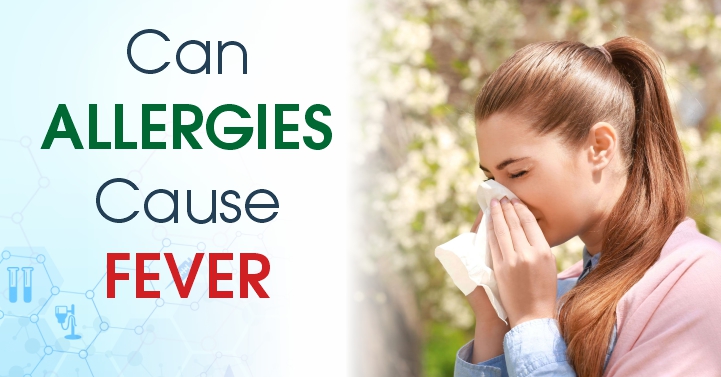
It’s allergy season, and you’re sneezing, your nose is blocked, your eyes are watery, and you just feel… unwell. You reach for the thermometer, half expecting to see a fever, because that’s how bad you feel.
This mix-up is extremely common. Sneezing, a runny nose, tiredness, and a heavy head can all make a person feel like they are “coming down with something.” Many people describe this feeling as “feverish,” even when their actual body temperature is completely normal.
So, can allergies cause fever? This is one of the most searched questions during allergy season, and for good reason. Allergic rhinitis (commonly called hay fever) and viral infections like the common cold share several overlapping symptoms — sneezing, congestion, fatigue, and a runny nose. This overlap makes it genuinely hard to tell them apart without paying close attention to the details.
There is also an important difference between feeling warm and having a fever. Inflammation, poor sleep, sinus pressure, and dehydration from allergies can make your face feel flushed or your body feel warm, without your internal temperature actually rising above the normal range.
In this guide, we’ll explain, in simple terms, whether allergies can cause a true fever, why allergies make you feel sick even without one, and when a fever alongside allergy symptoms might point to something else — like a viral or bacterial infection — that needs medical attention.
The Short Answer
No. Allergies themselves usually do not cause a true fever. If you have a body temperature above the normal range, another condition — such as a viral or bacterial infection — may be responsible, and it is worth getting it checked by a doctor.
Allergic reactions are driven by the immune system responding to harmless substances (like pollen or dust) as if they were threats. This process causes inflammation, swelling, and irritation in the nose, throat, and eyes — but it does not typically trigger the internal “thermostat reset” in the brain that produces a true fever. Fever is usually your body’s response to fighting off an infection, not an allergen.
Key Takeaway: If you have sneezing and a runny nose without a fever, it is more likely to be allergies. If you have those symptoms with a fever, an infection is more likely the cause — and allergies and infections can even occur together.
What Is an Allergy?
An allergy happens when your immune system mistakes a normally harmless substance — called an allergen — for something dangerous, and overreacts to it.
In simple terms:
- Allergen: A substance that triggers an allergic reaction (pollen, dust mites, pet dander, mold spores, certain foods).
- Immune response: Your immune system produces antibodies against the allergen, treating it like an invader.
- Histamine release: When the allergen is encountered again, immune cells release a chemical called histamine (and other substances) into your nose, eyes, skin, or airways.
- Symptoms: Histamine causes blood vessels to widen and tissues to become inflamed, leading to sneezing, itching, swelling, and mucus production.
Allergic rhinitis is the medical term for what most people call “hay fever” or “nasal allergies.” It refers to inflammation of the inside of the nose caused by an allergic reaction, usually to airborne particles like pollen, dust, or pet dander.
A simple way to picture it:
Allergen enters the nose
        ↓
Immune system identifies it as a threat
        ↓
Histamine and other chemicals are released
        ↓
Blood vessels widen, tissues swell, mucus increases
        ↓
Sneezing, itching, congestion, watery eyes
Despite the word “hay” in “hay fever,” this condition is not caused by hay, and it does not typically cause an actual fever — the name is simply a historical one.
Common Allergy Symptoms
Allergy symptoms mainly affect the nose, eyes, throat, and ears. They tend to be persistent during a particular season or after exposure to a specific trigger, rather than appearing suddenly like an infection.
| Symptom | Description |
|---|---|
| Sneezing | Repeated, often in bursts, especially after exposure to allergens |
| Runny nose | Clear, thin, watery nasal discharge |
| Blocked/stuffy nose | Nasal passages feel swollen and congested |
| Itchy eyes | Eyes feel irritated, itchy, sometimes red |
| Watery eyes | Excess tearing, especially outdoors or around pets |
| Itchy throat | Tickling or itching sensation at the back of the throat |
| Postnasal drip | Mucus dripping down the back of the throat, causing throat clearing or cough |
| Fatigue | Feeling tired due to poor sleep, congestion, or ongoing inflammation |
| Ear pressure/fullness | A feeling of blocked or “full” ears, sometimes with mild popping |
Quick Facts
- Allergy symptoms often last for weeks or months if the allergen (like pollen) remains present.
- Allergy symptoms are usually not contagious.
- Allergy symptoms tend to improve indoors or after taking an antihistamine.
What Is a Fever?
To understand whether allergies can cause a fever, it helps to know what a fever actually is.
- Normal body temperature is generally around 36.1°C to 37.2°C (97°F to 99°F), though it can vary slightly from person to person and throughout the day.
- A fever is usually defined as a body temperature of 38°C (100.4°F) or higher, measured with a thermometer.
- Fever happens when the brain’s temperature-control centre (the hypothalamus) resets the body’s temperature “set point” higher, usually in response to infection-fighting chemicals called pyrogens.
Why infections commonly cause fever:
When your body detects viruses or bacteria, your immune system releases chemical messengers that signal the brain to raise body temperature. This higher temperature is believed to help the immune system work more efficiently and can make it harder for some pathogens to survive. This is why the common cold, flu, and many bacterial infections are so often accompanied by fever — while a simple allergic reaction usually is not.
Allergy vs Fever: What’s the Difference?
Because allergy symptoms and viral infection symptoms overlap, side-by-side comparison is one of the easiest ways to tell them apart.
| Feature | Allergies | Fever-causing Infection (Cold/Flu/Sinusitis) |
|---|---|---|
| Cause | Immune reaction to an allergen (pollen, dust, pet dander) | Virus or bacteria |
| Sneezing | Common, often in repeated bursts | Possible, usually milder |
| Runny nose | Clear, watery discharge | Can start clear, may thicken and turn yellow/green |
| Itchy eyes | Very common | Uncommon |
| Body aches | Rare | Common, especially with flu |
| Fever | Usually absent | Often present (38°C/100.4°F or higher) |
| Duration | Can last weeks to months (as long as exposed to allergen) | Usually resolves in 7–10 days (cold) or longer if complicated |
| Treatment | Antihistamines, avoiding triggers, nasal sprays | Rest, fluids, symptom relief; antibiotics only if bacterial |
| Contagious? | No | Yes (viral or bacterial infections can spread to others) |
Doctor’s Advice “If your symptoms come with body aches, chills, or a measured temperature above 100.4°F, think infection first — not allergies. A thermometer reading is more reliable than how ‘hot’ you feel.”
Why Do Allergies Make You Feel Feverish?
Even though allergies don’t usually cause a true fever, they can absolutely make you feel unwell in ways that mimic one. Here’s why:
- Inflammation: Ongoing swelling in the nose and sinuses can cause facial pressure, headache, and general discomfort.
- Fatigue: The immune response and disturbed sleep from congestion can leave you feeling drained and achy, similar to how you feel with a mild illness.
- Poor sleep: A blocked nose makes it hard to breathe at night, leading to poor-quality sleep and daytime tiredness.
- Sinus pressure: Swelling around the sinuses can create a feeling of warmth or pressure in the face and head.
- Dehydration: Constant nose blowing, mouth breathing, and reduced fluid intake when unwell can leave you feeling sluggish and warm.
Key Takeaway: These symptoms can make someone feel generally “unwell” or “warm,” but this is different from an actual rise in core body temperature. Checking your temperature with a thermometer is the most reliable way to know if you truly have a fever.
When Fever May Occur Alongside Allergies
While allergies themselves don’t typically cause fever, it’s very possible to have allergies and an infection at the same time — especially since allergies can make the nose and sinuses more vulnerable to infection. In these cases, the fever comes from the infection, not the allergy.
Conditions where fever may appear alongside (or because of) allergy-like symptoms include:
- Viral common cold – A very common cause of low-grade fever with nasal symptoms.
- Influenza (flu) – Often causes higher fever, body aches, and fatigue in addition to nasal symptoms.
- COVID-19 – Can present with fever, cough, congestion, and fatigue; testing may be needed to confirm.
- Acute sinus infection (sinusitis) – Can develop when allergy-related congestion allows bacteria to grow in blocked sinuses.
- Ear infection – Allergy-related swelling can block the ear’s drainage tube, allowing infection to develop.
- Pneumonia – A more serious lung infection that can occasionally follow untreated respiratory infections.
- Secondary bacterial infection – Bacteria can take advantage of tissues already inflamed and weakened by an allergic reaction.
Key Takeaway: Fever is a sign that your body is fighting an infection. If you have allergy symptoms and a fever together, it’s reasonable to consider that an infection has developed alongside — or as a complication of — your allergies, rather than assuming the allergy itself is the cause.
How Doctors Diagnose Allergy vs Infection
Because the symptoms can look so similar, doctors use several tools to tell the difference between allergies and an infection:
- Medical history – Questions about when symptoms started, how long they’ve lasted, whether they happen seasonally, and any known triggers or allergies.
- Physical examination – Checking the nose, throat, ears, and lungs for signs of inflammation, discharge, or infection.
- Temperature measurement – A simple but important step to confirm whether a true fever is present.
- Allergy testing – Skin prick tests or blood tests (like specific IgE testing) to identify allergens if allergic rhinitis is suspected.
- Blood tests (when appropriate) – To check for signs of infection or inflammation in the body.
- Imaging (if sinus complications are suspected) – A CT scan or X-ray may be used if a doctor suspects a sinus infection or other complication.
Getting an accurate diagnosis is important because the treatment for allergies (antihistamines, avoiding triggers) is very different from the treatment for an infection (rest, fluids, and sometimes antibiotics for confirmed bacterial infections).
Rosette Pharma Medicines for Allergy Management
Allergy symptoms like sneezing, runny nose, and itchy eyes are often managed with antihistamines and related medicines, prescribed based on a person’s individual symptoms and medical history. Rosette Pharma manufactures a range of allergy medicines used in the management of allergic conditions. These medicines should only be used under medical supervision, based on a doctor’s or pharmacist’s advice.
1. LEZET Tablet
Composition: Levocetirizine 5 mg
- LEZET is an antihistamine medicine.
- It works by blocking the action of histamine, the chemical responsible for many allergy symptoms.
- It may help reduce sneezing, runny nose, itchy nose, and watery eyes associated with allergic conditions such as allergic rhinitis.
- Like other antihistamines, it may cause mild drowsiness in some people, so it should be taken as directed by a doctor.
🔗 Product Information: Levocetirizine 5mg Tablet 🔗 Learn more: Levocetirizine Tablet – Comprehensive Guide
2. LEZET-MT
Composition: Levocetirizine 5 mg + Montelukast 10 mg
LEZET-MT is a combination allergy medicine that works through two different pathways:
- Levocetirizine blocks histamine, reducing sneezing, itching, and a runny nose.
- Montelukast blocks leukotrienes, another group of chemicals involved in inflammation and nasal congestion.
This combination may be prescribed by doctors for allergic rhinitis and persistent allergy symptoms that are not fully controlled by an antihistamine alone. As with any prescription combination medicine, it should be used strictly under medical supervision.
🔗 Product Information: Levocetirizine 5mg + Montelukast 10mg Tablet
Doctor’s Advice “Never start or combine allergy medicines on your own, especially if you already have fever, breathing difficulty, or other health conditions. A doctor can confirm whether your symptoms are due to allergies, an infection, or both, and recommend the right treatment plan.”
How Allergy Medicines Work
Here are two simplified pathways that show how common allergy medicine ingredients act on the body.
Histamine Pathway (how antihistamines like Levocetirizine work):
Allergen exposure
        ↓
Histamine release
        ↓
Sneezing
        ↓
Runny nose
        ↓
Levocetirizine blocks histamine receptors
        ↓
Symptom relief
Leukotriene Pathway (how Montelukast works):
Allergen exposure
        ↓
Inflammation triggered
        ↓
Nasal congestion
        ↓
Montelukast blocks leukotriene receptors
        ↓
Reduced inflammation and congestion
Together, these two pathways explain why some doctors prescribe a combination medicine like LEZET-MT for people whose allergy symptoms involve both histamine-driven itching/sneezing and leukotriene-driven congestion/inflammation.
Home Remedies That May Help
Alongside any medical treatment your doctor recommends, some simple home measures may help ease allergy discomfort:
- Saline nasal rinse – Helps flush out allergens and thin mucus in the nose.
- Steam inhalation – May help loosen congestion and soothe irritated nasal passages.
- Hydration – Drinking enough fluids helps thin mucus and supports overall recovery.
- Adequate sleep – Supports immune function and helps you feel less fatigued.
- Wearing a mask on high pollen days – Reduces the amount of pollen you breathe in outdoors.
- Keeping windows closed – Limits pollen and outdoor allergens from entering your home.
- Using an air purifier – Can help reduce indoor allergens like dust and pet dander.
- Frequent cleaning – Reduces dust mites, pet dander, and mold spores in your living space.
These measures may support comfort and reduce exposure to triggers, but they are not a substitute for medical evaluation if symptoms are severe or a fever develops.
Allergy Triggers to Avoid
Identifying and reducing exposure to common triggers can help manage allergy symptoms:
- ✔ Dust mites
- ✔ Pollen
- ✔ Pet dander
- ✔ Mold
- ✔ Cigarette smoke
- ✔ Strong perfumes
- ✔ Air pollution
- ✔ Household chemicals
Quick Facts
- Pollen counts are typically highest in the early morning and on dry, windy days.
- Keeping pets out of the bedroom may reduce nighttime allergy symptoms for pet-allergic individuals.
- Regularly washing bedding in hot water can help reduce dust mite exposure.
When Should You See a Doctor?
While mild allergy symptoms can often be managed with a doctor’s guidance and prescribed medicines, certain signs suggest you should seek medical attention promptly:
- Fever above 38°C (100.4°F)
- Fever lasting more than 2–3 days
- Thick, green, or foul-smelling nasal discharge
- Severe facial pain or pressure
- Ear pain
- Difficulty breathing
- Wheezing
- A persistent cough that doesn’t improve
Key Takeaway: A true fever, especially one that lasts several days or is accompanied by facial pain, ear pain, or breathing difficulty, is a signal to consult a doctor rather than assuming it’s “just allergies.”
Possible Complications
If allergy symptoms are left unmanaged for a long time, or if an infection develops on top of allergies, complications can include:
- Chronic sinusitis – Long-term inflammation and infection of the sinuses.
- Ear infections – Especially in children, due to blocked drainage tubes in the ear.
- Poor sleep – Ongoing congestion can disrupt sleep quality over time.
- Asthma flare-ups – Allergic inflammation can trigger or worsen asthma symptoms in people who have asthma.
- Reduced quality of life – Persistent symptoms can affect concentration, mood, and daily activities.
Allergies in Children: What Parents Should Know
Children often develop allergic rhinitis, especially if there is a family history of allergies, asthma, or eczema. Just like in adults, allergies in children usually do not cause a true fever on their own.
However, there are a few points parents should keep in mind:
- Children get more colds than adults. Because young children are still building immunity, they may have frequent viral infections, some of which happen to coincide with allergy season, making the two easy to confuse.
- Kids may not describe symptoms clearly. A child with allergies might rub their nose and eyes frequently, breathe through their mouth, or seem unusually tired, without being able to explain what feels different.
- Ear infections are more common in children. Because a child’s ear drainage tube is shorter and more horizontal than an adult’s, allergy-related swelling can block it more easily, increasing the risk of ear infections that may cause fever and pain.
- A fever in a child should always be checked. If your child has allergy-like symptoms along with a measured fever, irritability, ear pulling, or reduced appetite, it’s best to have a pediatrician assess them rather than assuming it’s “just allergies.”
Doctor’s Advice “Parents often ask if their child’s runny nose and tiredness mean a fever is coming. In most cases, allergy symptoms in children stay separate from fever. If you do measure a genuine fever, it’s worth having your pediatrician rule out an ear, sinus, or viral infection, since children are more prone to these complications than adults.”
Building Healthy Habits During Allergy Season
Beyond medicines and home remedies, small daily habits can make a meaningful difference in how allergy season feels overall:
- Track your symptom pattern. Note when symptoms start and what seems to trigger them — this information is genuinely useful for your doctor.
- Monitor local pollen forecasts. Many weather apps and websites publish daily pollen counts, which can help you plan outdoor activities.
- Shower and change clothes after being outdoors. This helps remove pollen from your skin and hair before it spreads indoors.
- Keep a symptom and temperature diary during flare-ups. If you ever do develop a fever, having a record of when your baseline allergy symptoms started versus when the fever appeared can help your doctor figure out what’s going on more quickly.
None of these habits replace medical care, but together with doctor-guided treatment, they can make it easier to manage seasonal allergies with less disruption to daily life.
Myths vs Facts
Myth: Allergies always cause fever. Fact: Allergies generally do not cause a true fever. A fever usually suggests another illness, such as a viral or bacterial infection.
Myth: Every runny nose needs antibiotics. Fact: Most allergy symptoms are not caused by bacteria, so antibiotics are not effective for them.
Myth: Hay fever means you have a fever. Fact: Despite the name, hay fever (allergic rhinitis) usually does not cause an elevated body temperature.
Myth: If you feel hot, you must have a fever. Fact: Feeling warm can be caused by inflammation, dehydration, or fatigue — a thermometer reading confirms an actual fever.
Myth: Allergies and colds are impossible to tell apart. Fact: While symptoms overlap, differences in duration, itching, and the presence of fever can help distinguish them.
Myth: You can’t have allergies and an infection at the same time. Fact: It’s entirely possible to have both — allergies can even make you more prone to developing a sinus or ear infection.
Myth: Antihistamines cure allergies. Fact: Antihistamines help manage symptoms by blocking histamine; they do not cure the underlying allergic tendency.
Myth: Only children get ear infections from allergies. Fact: Adults can also develop ear infections or ear pressure related to allergic congestion, though it’s more common in children.
Myth: Natural remedies can fully replace allergy medicine. Fact: Home measures may ease symptoms, but they are not a substitute for medically prescribed treatment when needed.
Myth: Allergy medicines are safe to combine on your own. Fact: Combining medicines should always be guided by a doctor or pharmacist to avoid interactions or side effects.
Myth: If it’s allergies, you can just wait it out. Fact: While mild allergies may not need treatment, ongoing untreated symptoms can affect sleep, sinuses, and quality of life.
Myth: A low-grade temperature is not something to worry about. Fact: Any persistent rise in temperature is worth monitoring, and it should be discussed with a doctor if it continues.
Myth: Allergy symptoms are always seasonal. Fact: Some allergies, like those to dust mites or pet dander, can occur year-round.
Myth: Fever-reducing medicine will also treat allergy symptoms. Fact: Fever-reducing medicines do not target histamine or leukotrienes, so they won’t relieve sneezing, itching, or congestion caused by allergies.
Myth: Once you’re diagnosed with allergies, every future symptom is due to allergies. Fact: New or unusual symptoms, especially fever, should always be evaluated rather than automatically attributed to known allergies.
Frequently Asked Questions
1. Can allergies cause fever? Generally, no. Allergies cause inflammation and irritation but usually do not raise your core body temperature to fever levels.
2. Can hay fever cause a high temperature? Despite its name, hay fever (allergic rhinitis) does not typically cause a high temperature. If you have a genuine fever, another cause should be considered.
3. How do I know if I have allergies or a cold? Allergies often involve itching and clear discharge without fever, while colds may include fever, body aches, and thicker nasal discharge that can change color over a few days.
4. Can sinus infections cause fever? Yes. Acute sinus infections, which can sometimes develop from unmanaged allergies, may cause fever along with facial pain and thick nasal discharge.
5. Can allergies make me feel hot? Allergies can cause inflammation and flushing that make you feel warm, even without a true fever.
6. Does Levocetirizine reduce allergy symptoms? Levocetirizine is an antihistamine that may help reduce sneezing, runny nose, and itchy or watery eyes when prescribed by a doctor.
7. What does Montelukast do? Montelukast blocks leukotrienes, chemicals involved in inflammation, and may help reduce nasal congestion associated with allergic rhinitis.
8. Can allergies cause body aches? Body aches are uncommon with allergies and are more typically associated with viral infections like the flu.
9. When should I visit a doctor? If you have a fever above 38°C (100.4°F), symptoms lasting more than a few days, facial or ear pain, or difficulty breathing, it’s time to see a doctor.
10. Can children develop allergies with fever? Children can have allergies and a separate infection at the same time, which is why fever in a child with allergy symptoms should be evaluated by a pediatrician.
11. Can seasonal allergies turn into a sinus infection? Yes, prolonged nasal swelling from allergies can block sinus drainage, increasing the risk of a secondary sinus infection.
12. Is a low body temperature normal with allergies? Body temperature usually stays within the normal range with allergies; there is no expected drop or rise linked directly to allergic reactions.
13. Can allergy medicine reduce a fever? No. Antihistamines and related allergy medicines are not designed to lower body temperature; a fever should be evaluated separately.
14. Are allergies contagious? No, allergies are an immune response to allergens and cannot spread from person to person, unlike viral or bacterial infections.
15. Can dust allergies cause fever? Dust allergies typically cause sneezing, congestion, and itching, but not a true fever.
16. Can pollen allergies cause a sore throat? Yes, postnasal drip from pollen allergies can irritate the throat, causing a scratchy or itchy sensation.
17. Can allergies cause fatigue? Yes, ongoing inflammation, congestion, and poor sleep from allergies can lead to noticeable fatigue.
18. How long do allergy symptoms usually last? Allergy symptoms can last as long as you’re exposed to the trigger — from a few weeks during a pollen season to year-round with indoor allergens.
19. Can a cold and allergies happen at the same time? Yes, it’s possible to have a viral cold on top of existing allergies, which is why fever alongside allergy symptoms deserves attention.
20. Should I take antibiotics for allergy symptoms? No. Antibiotics treat bacterial infections and are not effective against allergic reactions.
21. Can ear pressure from allergies mean an infection? Ear pressure alone is common with allergies, but if it’s accompanied by pain or fever, it could indicate an ear infection.
22. Is Levocetirizine available over the counter? Availability can vary by region and regulation; it’s best to check with a pharmacist or doctor regarding local guidelines.
23. Can LEZET-MT be taken without a prescription? Combination medicines like LEZET-MT should only be used under medical supervision and as prescribed by a doctor.
24. Do allergy symptoms get worse at night? For some people, lying down can worsen nasal congestion, making symptoms feel more noticeable at night.
25. Can stress make allergy symptoms feel worse? Stress doesn’t cause allergies, but it may make you more aware of symptoms or affect sleep, indirectly making you feel more unwell.
26. Can weather changes trigger allergy symptoms? Yes, changes in temperature, humidity, and wind can affect pollen levels and trigger or worsen allergy symptoms in sensitive individuals.
Conclusion
To sum up: allergies usually do not cause a true fever. The sneezing, congestion, and fatigue that come with allergic rhinitis can certainly make you feel unwell, and even warm, but they don’t typically raise your core body temperature the way an infection does.
If you notice an actual fever — measured with a thermometer — alongside your allergy symptoms, it’s a sign that something else, such as a viral or bacterial infection, may be involved. This distinction matters because it affects how the condition should be managed, and proper diagnosis by a healthcare professional is important before starting any treatment.
Allergy medicines can play a helpful role in managing day-to-day allergic symptoms when prescribed and monitored by a doctor. Rosette Pharma manufactures allergy medicines, including antihistamine and combination formulations, that are used as part of doctor-guided allergy management. As with any medicine, they should be used only as directed by a qualified healthcare professional.