
Medically reviewed content. Last updated 2026.
Introduction
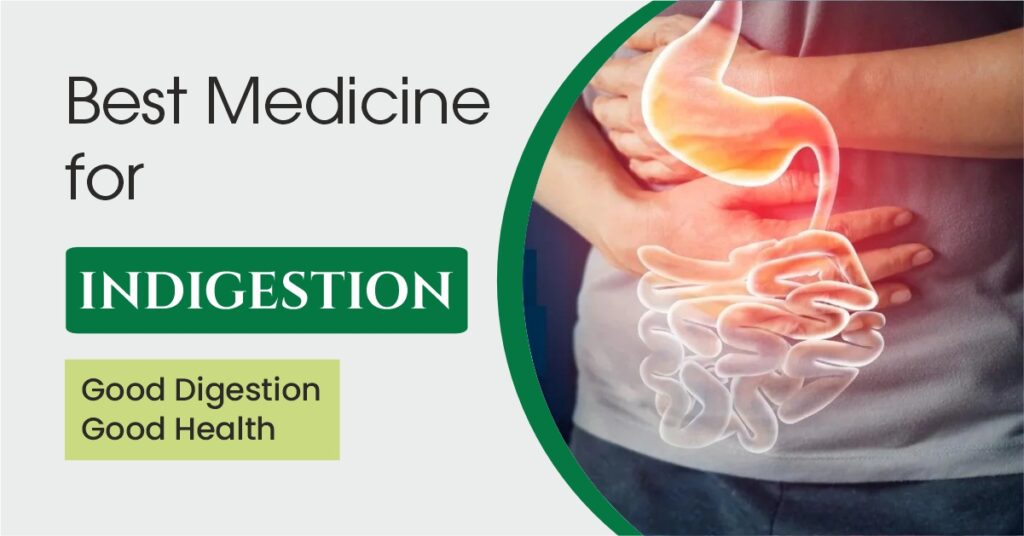
Almost everyone feels a heavy, uncomfortable stomach after a meal at some point. That uneasy, bloated, burning feeling in the upper abdomen is called indigestion, and it is one of the most common digestive complaints in the world.
Indigestion is not a disease by itself. It is a group of symptoms that happen when your stomach struggles to process food normally. It can show up as burning pain, bloating, gas, nausea, or a feeling of fullness that starts too soon during a meal.
Indigestion is so common because it is closely tied to everyday habits — what we eat, how fast we eat, how much stress we carry, and how our stomach handles acid. A festive dinner, a skipped lunch followed by a heavy snack, or a stressful work week can all trigger it.
Indigestion affects digestion in a very direct way. Normally, your stomach breaks down food using acid and enzymes, then moves it into the small intestine at a steady pace. When this process is disrupted — whether by too much acid, slower stomach emptying, or irritation of the stomach lining — food sits longer than usual, stretching the stomach and triggering the discomfort, bloating, and burning that people describe as indigestion.
There is an important difference between occasional indigestion and chronic indigestion:
- Occasional indigestion happens once in a while, usually linked to a specific meal, drink, or stressful event. It settles on its own within a few hours.
- Chronic indigestion (also called functional dyspepsia when no clear cause is found) keeps coming back over weeks or months and may need medical evaluation and long-term management.
Key Takeaway: Occasional indigestion is usually harmless and improves with simple changes. Indigestion that keeps returning, gets worse, or comes with warning signs needs a doctor’s evaluation — not repeated self-medication.
This guide explains what indigestion is, what causes it, when it becomes a medical concern, the main categories of medicines doctors use to treat it, and the lifestyle steps that help prevent it. It also introduces some of Rosette Pharma’s digestive care products, which are formulated for use strictly under medical supervision.
What is Indigestion?
Doctors often use the medical term dyspepsia to describe indigestion. Dyspepsia simply means discomfort or pain centered in the upper abdomen, usually related to eating.
There are a few overlapping ways to describe indigestion:
Acid-Related Indigestion
This type is linked to excess stomach acid or acid moving into places it shouldn’t. It often overlaps with acid reflux and gastroesophageal reflux disease (GERD), and causes burning pain, a sour taste, and heartburn.
Functional Indigestion
Also called functional dyspepsia, this is diagnosed when someone has ongoing indigestion symptoms, but tests do not show ulcers, infection, or other structural problems. It is thought to involve how the stomach muscles move food (motility) and how sensitive the stomach lining is to stretching or acid.
Organic Indigestion
Here, indigestion is a symptom of an identifiable underlying condition, such as a peptic ulcer, gastritis, gallstones, or H. pylori infection.
Did You Know? Studies suggest that in a large share of people with ongoing indigestion, no structural cause is found at all — meaning their symptoms are functional rather than caused by damage or disease. This is one reason doctors focus on symptom patterns, not just test results, when deciding on treatment.
Common Symptoms of Indigestion
Indigestion can feel different from person to person. The table below lists the most frequently reported symptoms.
| Symptom | What It Feels Like |
|---|---|
| Upper abdominal discomfort | Dull ache or pressure in the area between the lower chest and navel |
| Burning sensation | A hot, gnawing feeling in the stomach or lower chest |
| Heartburn | Burning that rises from the stomach toward the chest or throat |
| Bloating | A tight, swollen feeling in the abdomen |
| Excess gas | Frequent flatulence or a trapped-gas sensation |
| Burping | Repeated belching, sometimes with a sour taste |
| Nausea | A queasy feeling, with or without vomiting |
| Feeling full quickly | Stomach feels full after eating only a small amount |
| Vomiting | Bringing up stomach contents, in more severe cases |
| Sour taste | A sour or acidic taste in the mouth, often after eating |
Key Takeaway: One or two of these symptoms after a heavy or spicy meal is common and usually not serious. Several symptoms together, especially if they recur often, deserve medical attention.
What Causes Indigestion?
Indigestion usually comes from a mix of lifestyle, dietary, and medical factors.
Lifestyle and Dietary Triggers
- Overeating – A large meal stretches the stomach and slows digestion.
- Spicy foods – Can irritate the stomach lining in sensitive individuals.
- Fatty foods – Take longer to digest and can relax the valve between the stomach and esophagus, encouraging reflux.
- Alcohol – Increases stomach acid production and irritates the stomach lining.
- Smoking – Weakens the lower esophageal sphincter and increases acid reflux risk.
- Stress – Affects gut motility and can heighten sensitivity to normal digestive processes.
Medical Causes
- GERD (Gastroesophageal Reflux Disease) – Chronic backflow of acid into the esophagus.
- Gastritis – Inflammation of the stomach lining.
- Peptic ulcer disease – Open sores in the stomach or upper small intestine lining.
- H. pylori infection – A bacterial infection linked to gastritis and ulcers.
- Certain medicines – Painkillers such as NSAIDs (ibuprofen, aspirin), some antibiotics, and certain other prescription drugs can irritate the stomach lining or slow digestion.
Doctor’s Advice: If you notice indigestion consistently after starting a new medicine, do not stop or change the dose on your own. Speak to your doctor — they may adjust the medicine or add protective treatment.
In many people, indigestion is not caused by just one factor on this list. A stressful week combined with skipped meals, a heavy dinner, and a couple of cups of coffee can add up to noticeably worse symptoms than any single trigger alone. This is why doctors often ask about overall diet and lifestyle patterns, not just the most recent meal, when trying to understand recurring indigestion.
When Should You See a Doctor?
Most indigestion is mild and temporary. However, certain warning signs — sometimes called “alarm symptoms” — mean you should see a doctor promptly rather than trying to manage symptoms yourself.
| Warning Sign | Why It Matters |
|---|---|
| Blood in vomit | May indicate bleeding in the upper digestive tract |
| Black or tarry stools | Can indicate digested blood from the upper gut |
| Persistent vomiting | Risk of dehydration and may signal a blockage or serious illness |
| Unexplained weight loss | Can be linked to several serious underlying conditions |
| Difficulty swallowing | May point to narrowing or a problem in the esophagus |
| Severe abdominal pain | Could indicate a more serious emergency, such as a perforation or severe ulcer |
| Symptoms lasting more than two weeks | Ongoing symptoms need proper evaluation, not repeated self-treatment |
Key Takeaway: These red-flag symptoms are not meant to alarm you, but to help you recognize when indigestion needs medical evaluation rather than home management or over-the-counter use alone.
Best Medicines for Indigestion
Doctors choose indigestion treatment based on the likely cause, symptom severity, and the patient’s overall health. No single “best” medicine works for everyone — that decision belongs to a qualified healthcare professional after proper evaluation.
Below is a general comparison of the main medicine classes commonly used for indigestion.
| Medicine Class | How It Works | Common Uses | Prescription Required | Common Side Effects |
|---|---|---|---|---|
| Proton Pump Inhibitors (PPIs) (e.g., pantoprazole, rabeprazole, omeprazole) | Reduce acid production by blocking the “acid pump” in stomach cells | Acid reflux, GERD, ulcers, acid-related indigestion | Usually yes | Headache, diarrhea, long-term use may affect vitamin B12/magnesium absorption |
| H2 Blockers (e.g., famotidine) | Reduce acid production by blocking histamine signals to acid-producing cells | Heartburn, mild acid reflux | Some available with medical guidance, others OTC in low doses | Headache, dizziness, constipation |
| Antacids (e.g., calcium carbonate, magnesium hydroxide) | Neutralize acid already present in the stomach | Quick, short-term relief of heartburn and mild indigestion | No (OTC), but should still be used as directed | Constipation or diarrhea depending on the type |
| Prokinetic medicines (e.g., domperidone) | Help the stomach empty faster and improve coordinated gut movement | Bloating, fullness, nausea linked to slow stomach emptying | Yes | Dry mouth, headache; requires medical evaluation of heart rhythm risk factors before use |
| Digestive enzymes | Supplement the body’s own enzymes to help break down food | Bloating and discomfort linked to poor digestion of fats, proteins, or carbohydrates | Varies by formulation | Mild bloating or stomach upset in some people |
Doctor’s Advice: Combination medicines — such as a PPI paired with a prokinetic agent — are prescribed when a doctor identifies both excess acid and slow stomach emptying as contributing factors. These combinations are not meant for self-selection based on symptoms alone.
Related reading: Pantoprazole vs Rabeprazole: Which Is Better? explains how these two commonly used PPIs compare.
Rosette Pharma Products for Indigestion
Rosette Pharma manufactures a range of gastrointestinal medicines used in the management of acid-related indigestion. These are prescription products and should only be used on the advice of a qualified healthcare professional, following proper diagnosis.
1. Sintop DSR
Composition: Pantoprazole 40 mg + Domperidone 30 mg
Product Link: Sintop DSR
Sintop DSR combines a proton pump inhibitor with a prokinetic agent. As explained by doctors, this combination is intended to:
- Support balanced stomach acid levels
- Help improve stomach motility (the movement of food through the stomach)
- Assist in managing acid reflux, indigestion, and bloating when both acid and motility issues are involved
- Be taken before meals, exactly as advised by the prescribing doctor
Learn more about the individual components: Pantoprazole: Uses, How It Works & Side Effects and What Is Domperidone? Uses, Benefits & Safety.
2. Brintop DSR
Composition: Rabeprazole 20 mg + Domperidone 30 mg
Product Link: Brintop DSR
Brintop DSR offers dual-action support for acid-related indigestion by combining rabeprazole with domperidone. Under medical guidance, it may help:
- Manage acid-related indigestion symptoms
- Reduce bloating linked to slow stomach emptying
- Support more coordinated stomach emptying
This product should be used only as prescribed, at the dose and duration set by your doctor.
Read more: Rabeprazole and Domperidone: Uses
3. Rabicare DSR
Composition: Rabeprazole 20 mg + Domperidone 30 mg
Product Link: Rabicare DSR
Rabicare DSR is formulated to support overall digestive wellness and stomach comfort. Under medical supervision, it may be suitable for acid reflux accompanied by delayed gastric emptying.
Doctor’s Advice: Domperidone-containing medicines are generally prescribed for short, defined periods. Doctors typically review a patient’s heart health history and other medications before prescribing this class of drug, since it can affect heart rhythm in certain individuals. Never use domperidone-containing products without medical supervision, and never continue them longer than your doctor recommends.
Home Remedies for Mild Indigestion
For occasional, mild indigestion, simple habit changes can bring meaningful relief:
- Eat slowly – Rushed eating leads to swallowing air and overeating.
- Eat smaller meals – Large meals put more pressure on the digestive system.
- Avoid lying down after eating – Stay upright for at least 2–3 hours after meals.
- Drink enough water – Helps digestion and prevents constipation-related bloating.
- Avoid spicy food – Reduces irritation of the stomach lining.
- Reduce caffeine – Caffeine can increase acid production in some people.
- Exercise regularly – Supports healthy digestion and weight management.
- Manage stress – Techniques like deep breathing, short walks, or mindfulness may help reduce stress-linked digestive symptoms.
Key Takeaway: Home remedies work best for mild, occasional indigestion. They are not a substitute for medical care when symptoms are frequent, severe, or accompanied by warning signs.
Foods to Eat
| Food | Why It Helps |
|---|---|
| Bananas | Easy to digest, low in acid |
| Rice | Gentle on the stomach, low in fat |
| Oatmeal | High in fiber, generally well tolerated |
| Curd/Yogurt | Contains probiotics that may support gut balance |
| Papaya | Contains enzymes that may support digestion |
| Boiled vegetables | Easier to digest than fried or raw preparations |
| Ginger | Traditionally used to ease nausea and settle the stomach |
| Herbal tea | Caffeine-free options may soothe the digestive tract |
Foods to Avoid
| Food | Why to Limit It |
|---|---|
| Fried food | High fat content slows digestion |
| Spicy food | Can irritate the stomach lining |
| Alcohol | Increases acid production and irritation |
| Carbonated drinks | Can increase bloating and gas |
| Chocolate | May relax the valve that keeps acid in the stomach |
| Coffee | Can increase acid production in sensitive individuals |
| Fast food | Typically high in fat and low in fiber |
| Excess citrus | Highly acidic, may worsen heartburn |
Indigestion vs Acid Reflux vs GERD
These three terms are often used interchangeably, but they are not identical.
| Feature | Indigestion (Dyspepsia) | Acid Reflux | GERD |
|---|---|---|---|
| Definition | General discomfort or pain in the upper abdomen | Backward flow of stomach acid into the esophagus | Chronic, frequent acid reflux that damages the esophagus or significantly affects quality of life |
| Frequency | Can be occasional or chronic | Occasional in most healthy people | Occurs more than twice a week, or causes complications |
| Main Symptoms | Bloating, fullness, burning, nausea | Heartburn, sour taste | Persistent heartburn, regurgitation, sometimes chest pain or throat irritation |
| Cause | Multiple possible causes (diet, stress, motility, acid, infection) | Weak lower esophageal sphincter, certain foods | Long-term reflux, often with a weakened sphincter or hiatal hernia |
| Typical Management | Lifestyle changes, antacids, or prescribed medicine depending on cause | Lifestyle changes, occasional antacids | Long-term medical management, often with PPIs, under a doctor’s supervision |
Did You Know? Not everyone with GERD experiences classic heartburn. Some people mainly notice a chronic cough, throat clearing, or a sensation of a lump in the throat — which is why GERD sometimes goes undiagnosed for a while.
How to Prevent Indigestion
A simple prevention checklist:
- ✔ Eat smaller meals
- ✔ Avoid overeating
- ✔ Maintain a healthy weight
- ✔ Stop smoking
- ✔ Reduce alcohol intake
- ✔ Exercise regularly
- ✔ Sleep properly, and avoid lying down right after meals
- ✔ Reduce stress through relaxation techniques
Key Takeaway: Prevention is largely about consistency. Small, sustained changes in eating habits and lifestyle usually do more for long-term digestive comfort than occasional medicine use.
Myths vs Facts
Myth: Indigestion always means too much acid. Fact: Many different conditions — including slow stomach emptying, stress, infection, and food intolerance — can cause indigestion, not just excess acid.
Myth: Milk cures indigestion. Fact: Milk may offer brief relief by coating the stomach, but it can also stimulate acid production and worsen symptoms later, especially in people who are lactose intolerant.
Myth: Heartburn and indigestion are the same. Fact: They are related but different. Heartburn is a burning sensation from acid reflux, while indigestion is a broader term covering several upper-abdominal symptoms.
Myth: Drinking more water during a meal helps digestion. Fact: Excess fluid during meals can dilute digestive enzymes and increase the feeling of fullness or bloating in some people.
Myth: Only spicy food causes indigestion. Fact: Fatty foods, overeating, alcohol, stress, and certain medicines can trigger indigestion just as often as spicy food.
Myth: Indigestion medicines can be taken indefinitely without medical advice. Fact: Long-term use of acid-suppressing or motility medicines should be monitored by a doctor, as prolonged use can carry its own risks.
Myth: Indigestion is always harmless. Fact: While most cases are mild, indigestion can sometimes signal a more serious underlying condition, especially when warning signs are present.
Myth: Skipping meals prevents indigestion. Fact: Skipping meals can lead to excess acid buildup and may worsen indigestion when you do eat.
Myth: Herbal remedies are always completely safe. Fact: Herbal or natural remedies can still interact with medicines or worsen certain conditions, and should be discussed with a doctor.
Myth: Children don’t get indigestion. Fact: Children can experience indigestion too, often linked to overeating, anxiety, or specific foods, and it should be evaluated by a pediatrician if persistent.
Myth: Antacids and PPIs work the same way. Fact: Antacids neutralize acid that is already present, offering quick but short-term relief, while PPIs reduce the stomach’s acid production over a longer period.
Frequently Asked Questions
1. What is the best medicine for indigestion? There is no single “best” medicine for everyone. The right choice depends on the cause of your indigestion and should be decided by a doctor after proper evaluation.
2. Can indigestion go away on its own? Mild, occasional indigestion linked to diet or a single stressful event often settles on its own within a day.
3. What causes indigestion every day? Daily indigestion may point to an ongoing issue such as GERD, gastritis, functional dyspepsia, or a medicine side effect, and should be evaluated by a doctor.
4. Can stress cause indigestion? Yes, stress can affect gut motility and increase sensitivity to normal digestive processes, contributing to indigestion.
5. Can indigestion cause chest pain? Yes, acid-related indigestion can sometimes cause chest discomfort. However, chest pain should always be evaluated promptly to rule out heart-related causes.
6. Which medicine is best for bloating? Bloating can be related to slow stomach emptying, gas, or diet. A doctor may recommend a prokinetic agent, digestive enzyme, or dietary change depending on the cause.
7. Can PPIs treat indigestion? PPIs can help when indigestion is linked to excess stomach acid, but they are typically prescribed after a doctor identifies this as the likely cause.
8. How does domperidone help indigestion? Domperidone is a prokinetic that helps the stomach empty food more efficiently, which can ease bloating, fullness, and nausea in some patients, under medical supervision.
9. Can I take pantoprazole daily? Pantoprazole should only be taken daily if your doctor has prescribed it for regular use. Long-term use needs periodic medical review.
10. What foods should I avoid? Common triggers include fried and fatty food, spicy food, alcohol, carbonated drinks, chocolate, coffee, and excess citrus.
11. Can indigestion be a sign of GERD? Yes, frequent acid-related indigestion can sometimes be an early sign of GERD, especially if heartburn is a recurring symptom.
12. Is indigestion dangerous? Most indigestion is not dangerous, but warning signs like vomiting blood, black stools, or unexplained weight loss need urgent medical attention.
13. Can anxiety cause indigestion? Yes, anxiety can influence gut motility and sensitivity, and is a recognized contributor to functional indigestion.
14. When should I see a doctor? See a doctor if symptoms last more than two weeks, keep returning, or are accompanied by any warning signs listed earlier in this article.
15. Can indigestion cause nausea? Yes, nausea is one of the common symptoms associated with indigestion, particularly when stomach emptying is slow.
16. Can children get indigestion? Yes, children can experience indigestion, and persistent symptoms should be assessed by a pediatrician.
17. Can probiotics help indigestion? Some people find probiotics helpful for general digestive comfort, though evidence varies by individual. Discuss this with your doctor before starting any supplement.
18. How long does indigestion last? Occasional indigestion usually resolves within a few hours to a day. Chronic indigestion can persist for weeks and needs medical evaluation.
19. Can exercise help indigestion? Yes, regular moderate exercise supports healthy digestion, though vigorous exercise right after a meal may worsen symptoms.
20. Can indigestion be prevented? Many cases can be reduced through smaller meals, avoiding trigger foods, managing stress, and maintaining a healthy weight, though some underlying causes require medical treatment.
Conclusion
Indigestion is a common digestive complaint with many possible causes — from everyday habits like overeating and stress to medical conditions such as GERD, gastritis, or H. pylori infection. Symptoms can range from mild bloating and burping to burning pain and nausea.
Occasional indigestion often responds well to simple lifestyle changes: smaller meals, avoiding trigger foods, managing stress, and staying active. Chronic or severe indigestion, especially with warning signs like weight loss, vomiting blood, or difficulty swallowing, needs prompt medical evaluation.
Several classes of medicines — including PPIs, H2 blockers, antacids, prokinetics, and digestive enzymes — are used to manage indigestion, each working differently and suited to different underlying causes. Rosette Pharma manufactures gastrointestinal medicines, including PPI and prokinetic combinations, that are used in the management of acid-related indigestion strictly under a doctor’s prescription and guidance.
Whatever the cause, the safest path forward is a proper diagnosis and a treatment plan built around your individual health needs, guided by a qualified healthcare professional.
Disclaimer: This article is intended for educational purposes only and should not be considered medical advice. Always consult a qualified healthcare professional before starting, stopping, or changing any medication or treatment.


