
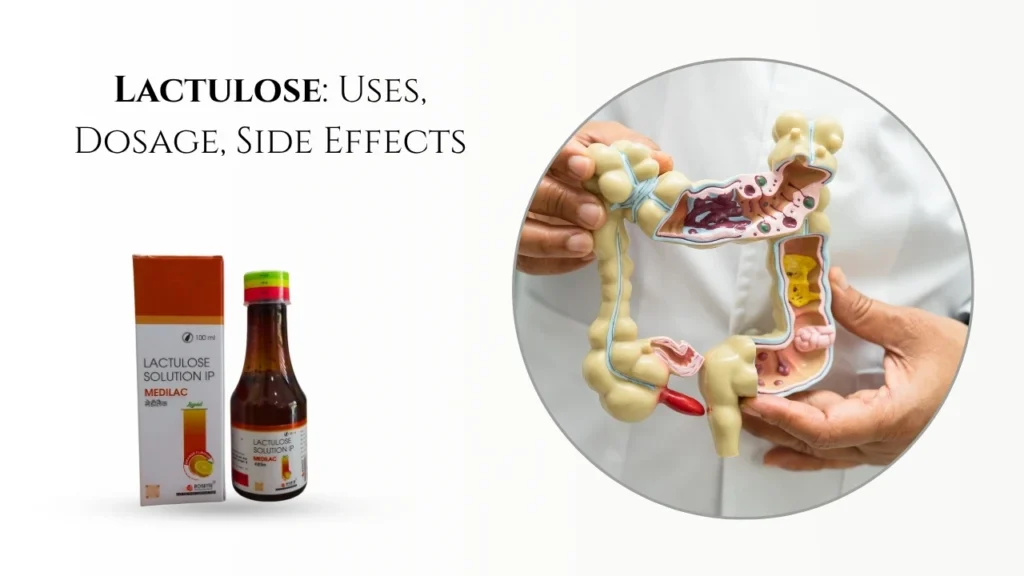
Most people know lactulose as a constipation remedy, but it does more than that. At its core, it is an osmotic laxative — it pulls water into the gut to soften stool. This same action also helps flush out ammonia in patients with liver disease, making it equally important in managing hepatic encephalopathy.
- Takes 24–48 hours to show effect.
- Relieves chronic constipation in both adults and children.
- Prescribed in hepatic encephalopathy to lower ammonia levels in the blood.
What is Lactulose Medicine?
Lactulose is a synthetic sugar-based laxative that the body does not absorb. Unlike regular sugars, it passes through the stomach and small intestine without entering the bloodstream. It only becomes active when it reaches the large intestine, where gut bacteria break it down into acids. These acids draw water into the colon, soften the stool, and make it easier to pass.
It is available in two common forms: syrup and oral solution. Both work the same way, just differ in how they are packaged and measured. The syrup form is thicker and slightly sweet, which makes it easier to give to children as well.
Lactulose is widely available as a generic medicine and under various brand names across different countries. The most common strength found in pharmacies is 3.35 g per 5 ml, which is the standard concentration used for both constipation and liver-related conditions. A prescription is recommended for long-term use, though availability rules may vary depending on the country
Lactulose Uses (Medical Uses Explained)
Lactulose is not a one-use medicine. It has two well-established medical uses and a few other clinical applications where doctors prescribe it in specific situations. Here is a breakdown of each.
Lactulose for Constipation
When someone struggles to pass stool regularly, lactulose helps by pulling water into the colon. This softens the stool naturally and makes bowel movements easier without straining. It is commonly prescribed for chronic constipation, meaning constipation that keeps coming back or has been going on for weeks. It works gently, which is why it is also considered safe for older adults and children when used correctly.
- Softens hard, dry stool
- Improves frequency of bowel movements
- Suitable for long-term use under medical guidance
Lactulose for Hepatic Encephalopathy
In patients with liver disease, the liver loses its ability to filter ammonia from the blood. High ammonia levels can affect brain function, causing confusion, memory problems, and in severe cases, loss of consciousness. Lactulose helps by speeding up the movement of stool through the gut, which reduces the time bacteria have to produce ammonia. It also makes the gut environment more acidic, which traps ammonia and helps the body remove it through stool.
- Lowers ammonia levels in the blood.
- Reduces symptoms like confusion and disorientation.
- Used regularly in patients with chronic liver disease.
Other Clinical Uses
Beyond these two main uses, lactulose is sometimes used after surgery to ease bowel movements when straining is not advised. In certain cases, doctors may also recommend it for patients who need long-term stool softening due to other medical conditions.
| Condition | Why Lactulose is Used |
|---|---|
| Chronic Constipation | Softens stool and improves bowel movement |
| Hepatic Encephalopathy | Reduces ammonia levels in the blood |
| Post-Surgery Recovery | Prevents straining during bowel movements |
| Liver Disease Management | Prevents straining during bowel movements |
How Lactulose Works in the Body
Lactulose does not start working the moment you swallow it. It travels through the stomach and small intestine without being absorbed or broken down. It arrives in the large intestine completely unchanged, and that is where everything starts.
Once in the colon, the natural bacteria present there ferment lactulose and break it down into short-chain fatty acids and gases. These acids do two things: they lower the pH inside the colon, making it more acidic, and they pull water from the surrounding tissues into the colon. This extra water softens the stool and stimulates the bowel to move.
In liver disease patients, the acidic environment created by lactulose plays an extra role. It converts ammonia into a form that cannot be absorbed back into the blood, trapping it inside the gut so it leaves the body through stool.
Step-by-step:
- Lactulose is swallowed and reaches the colon unchanged.
- Gut bacteria ferment it into acids.
- Acids draw water into the colon, softening stool.
- Bowel movement is stimulated.
- Acidic environment traps ammonia and flushes it out through stool.
Lactulose Dosage Guide (Adults and Children)
Lactulose dosage is not the same for everyone. It depends on the condition being treated, the age of the patient, and how the body responds. The goal is always to find the lowest dose that works effectively.
| Condition / Age Group | Recommended Dose | Frequency |
|---|---|---|
| Adults (Constipation) | 15 to 30 ml | Once or twice daily |
| Children 1 to 6 years | 5 to 10 ml | Once daily |
| Children 7 to 14 years | 10 to 15 ml | Once daily |
| Hepatic Encephalopathy (Adults) | 20 to 30 ml | Three times daily |
You can check detailed product information, composition, and packaging here: [View Lactulose Syrup Details]
You can check detailed product information, composition, and packaging here
Adult Dosage
For constipation, adults usually start with 15 ml once daily. The dose can be adjusted based on response, but most people find a comfortable maintenance dose between 10 and 25 ml per day.
Child Dosage
Children need a much smaller dose. For younger children between 1 and 6 years, 5 ml once daily is usually the starting point. Older children between 7 and 14 years may take up to 10 ml. A doctor should always guide dosage for children.
Dosage for Liver Disease Patients
For hepatic encephalopathy, the dose is higher. The aim is to produce 2 to 3 soft stools per day, which helps the body clear ammonia regularly. Doses are adjusted individually based on stool frequency and symptom control.
Note: Dosage information provided here is for general reference only. Always follow your doctor or pharmacist’s advice before starting, changing, or stopping lactulose.
Lactulose Side Effects
Like most medicines, lactulose can cause side effects in some people. Most are mild and go away on their own as the body adjusts. Serious side effects are rare but need attention if they appear.
| Side Effect | How Common | What to Do |
|---|---|---|
| Gas and bloating | Very common | Usually settles within a few days |
| Stomach cramps | Common | Reduce dose if uncomfortable |
| Diarrhea | Common | Lower the dose, stay hydrated |
| Dehydration | Rare | Drink water regularly, contact doctor |
| Electrolyte imbalance | Rare | Seek medical advice immediately |
Common Side Effects
These usually appear when starting lactulose and tend to reduce over time.
- Gas and bloating are the most reported complaints, especially in the first few days.
- Stomach cramps can occur when the bowel is stimulated more than usual.
- Diarrhea is a sign the dose may be too high and needs adjustment.
Serious Side Effects
These are uncommon but should not be ignored.
- Dehydration can happen if diarrhea continues for too long without enough fluid intake.
- Electrolyte imbalance is a risk in elderly patients or those on long-term high doses, and requires immediate medical attention.
Precautions and Warnings
Lactulose is generally well tolerated, but certain groups of people need to be careful before using it. Always read these points before starting the medicine.
- Diabetes patients should use lactulose with caution. Although the amount of sugar absorbed is very small, people with poorly controlled blood sugar levels should inform their doctor before use, as lactulose is derived from a sugar base.
- Elderly patients are at a higher risk of dehydration and electrolyte loss, especially when taking lactulose for long periods. Regular monitoring is recommended.
- Pregnant women can generally use lactulose as it is not absorbed into the bloodstream. However, it is always safer to consult a doctor before taking any medicine during pregnancy.
- People with bowel obstruction should never take lactulose. If there is a known or suspected blockage in the intestine, lactulose can make the condition worse.
- Anyone with galactosaemia, a rare condition where the body cannot process certain sugars, should strictly avoid lactulose.
FAQs
Q1. What is lactulose syrup used for?
Ans: Lactulose syrup is used to treat constipation and hepatic encephalopathy. It softens stool and helps remove excess ammonia in liver disease patients.
Q2. What is the correct dose of lactulose for adults?
Ans: The standard adult dose for constipation is 15 to 30 ml once daily. For liver disease, the dose is higher and doctor-guided.
Q3. How long can I take lactulose?
Ans: Lactulose can be used long-term for chronic constipation or liver disease, but only under a doctor’s supervision and regular monitoring.
Q4. Is lactulose safe for children?
Ans: Yes, lactulose is considered safe for children when given in the correct age-appropriate dose. Always consult a doctor before giving it to a child.
Q5. Can lactulose be taken daily?
Ans: Yes, it can be taken daily. Many patients use it regularly for chronic constipation or hepatic encephalopathy as prescribed by their doctor.
Q6. What happens if lactulose does not work?
Ans: If there is no improvement after 48 hours, consult your doctor. The dose may need adjustment or an alternative treatment may be required.
Q7. Is lactulose safe for liver patients?
Ans: Yes, it is one of the first-line treatments for liver patients with hepatic encephalopathy. It helps reduce ammonia levels and is generally well tolerated.