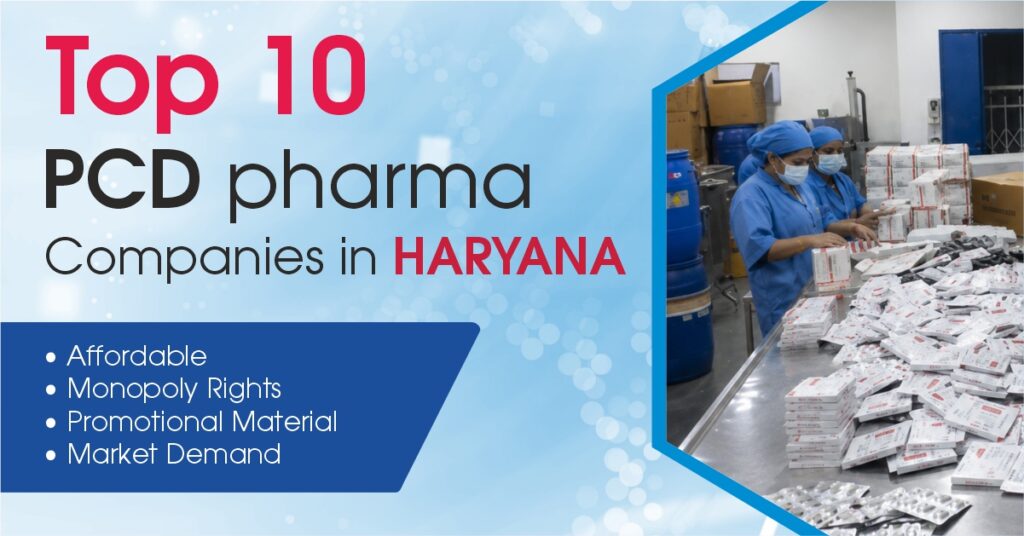

A PCD (Propaganda Cum Distribution) pharma franchise lets an entrepreneur promote and distribute a pharmaceutical company’s products in an agreed territory, while the company handles manufacturing arrangements and product approvals. For first-time business owners, medical representatives and existing distributors, a PCD pharma franchise in Punjab can be a way to enter the medicines trade without setting up a factory.
It is not a shortcut to income, though. Results depend on product suitability, regulatory compliance, supplier reliability, commercial terms, distribution capability, working capital and honest local market research. This guide takes you through those factors in order, so you can judge any company on evidence rather than promises.
What Is a PCD Pharma Franchise?
PCD stands for Propaganda Cum Distribution. In this model, a pharma company grants an individual or firm the right to promote and sell its branded products within a defined area. The company supplies the products. The partner builds the local market, takes orders and manages delivery.
Responsibilities are usually divided like this, although every agreement differs:
- Company: product availability, manufacturing arrangements, product documentation, and often promotional material.
- Franchise partner: local promotion, order collection, storage, delivery, collections and compliance for their own business activities.
How it differs from a conventional distributorship. A distributor typically buys from several manufacturers and supplies retailers across many brands. A PCD partner usually works with one company’s range in a defined territory. Rosette Pharma explains the contrast in its guide to pharma franchise versus distributorship.
How it differs from third-party manufacturing. In a PCD franchise you sell the company’s brands. In third-party manufacturing, a manufacturer produces medicines under your own brand, which means higher investment and more responsibility. This comparison of PCD franchise and third-party manufacturing covers the trade-offs.
Why Consider a PCD Pharma Franchise Business in Punjab?
Market conditions differ by district, product category and competitor presence, so treat the points below as questions to research rather than promises:
- Distribution networks: Which pharmacies, wholesalers, clinics and hospitals can you realistically reach in your territory?
- Existing relationships: Do you already have doctor, chemist or stockist contacts that shorten your start-up period?
- Logistics: Can you handle transport, storage and timely delivery across the area you want to cover?
- Competition: Established brands and distributors operate in every major market. Check which products face heavy competition locally.
- Territory reach: A district that looks attractive on a map may be costly to serve if towns are spread out.
Entrepreneurs in Ludhiana, Amritsar, Jalandhar, Patiala, Bathinda, Mohali and other Punjab markets will find different conditions in each. Avoid relying on generic demand claims from any website, including this one, and verify the numbers yourself through local visits and conversations.
Who Can Consider Starting a Pharma Franchise in Punjab?
- Experienced distributors and wholesalers who want to add a product range.
- Medical representatives moving from employment to their own business.
- Sales or distribution professionals with transferable experience.
- Business owners expanding into pharmaceutical products.
Eligibility depends on your role and the rules that apply to it. Selling or distributing medicines requires the right licence, so nobody should assume they can begin trading before meeting the legal requirements. Step 4 below explains what to check.
How to Start a PCD Pharma Franchise in Punjab: Step-by-Step Process
Step 1: Research Your Local Market
Visit doctors, chemists and stockists in your intended territory. Note which brands dominate, which categories look crowded, what delivery times customers expect and what transport will cost. Your own survey is more reliable than any published demand claim.
Step 2: Choose the Right Product Categories
Match products to your customers. Compare therapeutic categories, dosage forms and strengths, product documentation and regulatory status, storage needs, expiry risk and reorder consistency. A large catalogue does not guarantee better sales, and a focused range you can actually promote often works better than a long list you cannot.
Scheduling rules also change. For example, The Tribune reported that pregabalin is being moved to Schedule H1, with the change due to take effect on 12 November 2026. Check the status of every product before you stock it.
Step 3: Shortlist and Evaluate Pharma Franchise Companies
Compare at least three companies on documentation, quality-control information, product portfolio, pricing, availability, territory arrangements, partner support and the written agreement. Ask for evidence instead of relying on promotional material. The table later in this guide gives you questions to use.
Step 4: Verify Applicable Licences and Documentation
Requirements depend on your business activity, so there is no single checklist for everyone. In general terms:
- Drug licence (legal requirement): Selling or distributing drugs requires a licence under the Drugs and Cosmetics Act, 1940 and the Drugs Rules, 1945. Wholesale activity is commonly covered by Forms 20B and 21B. The central framework is available on the CDSCO Acts and Rules page.
- Licensing authority: CDSCO’s directory of state licensing authorities lists the Commissionerate of Food and Drugs Administration (Drugs Wing), Mohali as Punjab’s authority. The list is dated 2024, so confirm the current office and online application route directly.
- Premises and competent person: Wholesale licences require suitable premises and a qualified person in charge. The rules on this have been under discussion, so verify the current conditions before you rent space.
- Licence validity: Since the 2017 amendments, sale licences generally do not need five-yearly renewal, but a retention fee is payable periodically. Confirm amounts and due dates with the authority.
- Tax and business registration (general requirements): GST registration depends on your turnover, type of supply and state, and your business structure determines the registration documents you need. A chartered accountant can confirm your position.
Rosette Pharma also publishes a documents checklist for PCD franchise applicants. Use it as a starting point, then verify against official sources.
Enforcement is active. According to The Tribune’s report of state data, Punjab’s Drugs Wing carried out 16,788 inspections between April 2025 and September 2026. Keep your licences, purchase records and storage in order from day one.
Step 5: Understand Investment and Commercial Terms
Ask exactly what any quoted amount covers: initial stock, samples, promotional material, deposits or fees. Then add your own costs separately (licensing, storage, transport, marketing and working capital). The section below breaks these down.
Step 6: Understand Territory Rights and Monopoly Terms
Not every company offers exclusive territory. Where one does, the agreement should state the exact area, the duration, any conditions such as minimum purchase targets, exceptions, renewal terms and the circumstances in which rights can change or end. Rosette Pharma’s article on the monopoly pharma franchise model describes how it positions exclusivity. Whatever a company says, insist that the territory is defined in writing. Exclusivity protects you from the company’s other partners, not from competing brands, and it does not guarantee sales.
Step 7: Build Your Local Distribution Network
Map your customers, plan order fulfilment and delivery, set up suitable storage and rotate stock by expiry date. Track collections and credit exposure from the start, and build a sales plan that reflects the territory you actually have, not the one you hope to have.
Step 8: Plan for Repeat Orders and Sustainable Growth
Track which products move and which do not. Avoid excess stock, watch expiry dates and slow-moving items, keep in regular contact with customers, forecast reorders and review cash flow monthly. Expand your portfolio only when demand and working capital justify it.
How Much Investment Is Required for a PCD Pharma Franchise in Punjab?
There is no single figure. The amount depends on the company’s initial order requirement, the number and type of products you choose, the quantity purchased, your licences and premises, transport and marketing, and the payment cycles you must carry. Rosette Pharma’s guide to pharma franchise investment explains these cost heads in more detail.
| Cost Component | Why It Matters | How to Estimate It |
|---|---|---|
| Initial stock or minimum order | Usually the largest first outlay and sets your starting range | Get a written quotation for the exact products you want |
| Licences and registrations | Legally required before you trade; fees and professional charges vary | Check official fees and ask consultants for itemised quotes |
| Premises and storage | Must suit licensing conditions and product storage needs | Compare rent and fit-out costs for suitable premises |
| Transport and delivery | Spread-out territories increase costs | Map your delivery routes and price a typical month |
| Marketing and sampling | Doctors and chemists need to learn about your range | Ask what the company supplies and what you must pay for |
| Working capital | Covers reorders and the gap between paying suppliers and collecting from customers | Model your credit periods and expected collection delays |
| Staff | Field staff and helpers add fixed monthly cost | Start lean and add staff only when volumes justify it |
| Expiry and slow-moving stock | Unsold stock ties up cash and can be written off | Ask about return and replacement terms before ordering |
Treat any investment figure you see online, including on pharma company websites, as a starting point for a conversation. Only a written quotation tells you what you would actually pay.
How to Choose the Best Pharma Franchise Company for Your Punjab Business
Judge companies on what they can show you. Rosette Pharma’s guide on how to choose the right PCD pharma company covers similar ground. The table below turns the main criteria into questions you can use on any company.
| Evaluation Factor | Questions to Ask | Evidence to Request |
|---|---|---|
| Company identity | Who owns the business, and where is it registered? | Registration details, GST certificate, business address you can verify |
| Licences and permissions | What licences does the company and its manufacturer hold? | Copies of relevant licences and their numbers |
| Quality and manufacturing | Who manufactures the products, and to what standards? | Manufacturer details, quality certificates, batch documentation |
| Product portfolio | Do the products suit my territory and customers? | Product list with strengths, forms and approval status |
| Pricing and ordering | What are the prices, minimum order and payment terms? | Written price list and quotation |
| Supply consistency | How fast are dispatch and replenishment? | Typical lead times and references from existing partners |
| Territory rights | Is my area exclusive, for how long, and on what conditions? | Territory clause in the draft agreement |
| Partner support | What promotional material and guidance do I get? | A written list of what is supplied and what is chargeable |
| Expiry, return and recall | What happens to near-expiry stock, complaints or recalls? | Written return, replacement and recall policy |
| Agreement clarity | Are all promises reflected in the contract? | The full agreement, reviewed before you sign |
Common Mistakes to Avoid
- Choosing a company only because its prices are low.
- Investing before verifying licences and documentation.
- Accepting verbal territory promises instead of written terms.
- Buying more inventory than the market can absorb.
- Ignoring storage conditions and expiry dates.
- Underestimating working capital and collection delays.
- Assuming marketing support guarantees sales.
- Relying on unsupported profit claims.
- Signing an agreement you have not fully understood.
How Rosette Pharma May Fit Into Your Punjab Pharma Franchise Plan
Apply the same checks to Rosette Pharma that you would to any company. Its PCD pharma franchise page describes a district-wise model with exclusive territory rights. The website states that the company was established in 2006 and also offers third-party manufacturing.
The divisions page lists four product lines: Rosette Pharmaceuticals, Admetus Pharma, Yeux Care and Rosette Organics. The site shows product forms including tablets, capsules, syrups, dry syrups, injectables, ointments, softgel capsules, drops, sachets and dental products. It also says its products are DCGI-approved and sourced from WHO-GMP-compliant facilities. Treat these as the company’s own statements and ask for supporting documents.
The company lists its address in Karnal, Haryana, and this article does not assume a local Punjab office or warehouse. It also runs a dedicated Punjab franchise page with a district availability check. Territory availability can change, so do not assume any district is open.
Before you commit, ask Rosette Pharma to confirm four things in writing: current product availability, commercial terms and what any quoted amount covers, whether your preferred district is available, and the exact territory wording. You can start through its contact page.
Practical Checklist Before Starting
- Research the target territory.
- Identify appropriate product categories.
- Shortlist potential companies.
- Verify relevant documentation.
- Compare product quality evidence and commercial quotations.
- Confirm order, delivery and payment terms.
- Review territory arrangements in writing.
- Understand applicable licensing requirements.
- Estimate working capital and inventory needs.
- Review the agreement carefully.
- Establish a realistic distribution plan.
- Start and expand according to market evidence and operational capacity.
Frequently Asked Questions
1. How do I start a PCD pharma franchise in Punjab?
Research your territory, choose product categories, shortlist and verify companies, confirm your licensing position, agree commercial and territory terms in writing, and plan distribution and working capital. The step-by-step section above covers each stage.
2. What is a PCD pharma franchise?
It is an arrangement where a pharma company gives a partner the right to promote and distribute its products in a defined area. The partner handles local sales and delivery, and the company supplies the products. Terms vary by company.
3. How much investment is required for a pharma franchise in Punjab?
It depends on the company, your product selection, order quantities, licences, premises, transport, marketing and working capital. No standard figure applies. Ask for a written quotation and add your own operating costs.
4. What licences may be required for a pharma franchise business?
Distribution generally requires a drug sale licence from the state licensing authority (wholesale licences use Forms 20B and 21B), plus applicable tax and business registrations. Requirements depend on your activity, so confirm them with the Punjab authority and a qualified adviser.
5. How do I choose a reliable PCD pharma company?
Verify identity, licences and manufacturing details, then compare products, pricing, supply record, territory terms and the written agreement. Ask existing partners about delivery and support.
6. What are monopoly rights in a pharma franchise?
They usually mean the company appoints one partner for a defined territory for its own brands. They do not stop other companies’ products competing and do not guarantee sales. Get the area, duration and conditions in writing.
7. Can a beginner start a pharma franchise business?
Prior experience helps but is not the only route. A beginner still needs to meet licensing requirements, understand the market and plan working capital. Starting with a focused product range and a small territory reduces risk.
8. How do I select products for my target territory?
Talk to local doctors and chemists, check competing brands, and compare therapeutic categories, dosage forms and storage needs. Confirm each product’s regulatory status and scheduling before you stock it.
9. What should I check before placing my first order?
Confirm the product list and strengths, batch and expiry dates, pricing and taxes, delivery timelines, payment terms, return and replacement policy and territory clause. Make sure your own licence is in place first.
10. How can I evaluate Rosette Pharma as a potential business partner?
Use the same company-evaluation table as for any other company. Request licences, manufacturer details, quality documents, a written quotation and the draft agreement, and confirm district availability before committing.
Conclusion
Building a PCD pharma franchise in Punjab comes down to disciplined preparation: local market research, suitable product selection, company verification, regulatory compliance, transparent commercial terms, a clearly defined territory and a realistic distribution plan. None of these guarantees results, but skipping any of them raises your risk.
If Rosette Pharma is on your shortlist, use the enquiry options on its website to confirm current products, terms and territory availability in writing before you decide.