What Healthcare Professionals and Pharma Partners Should Know
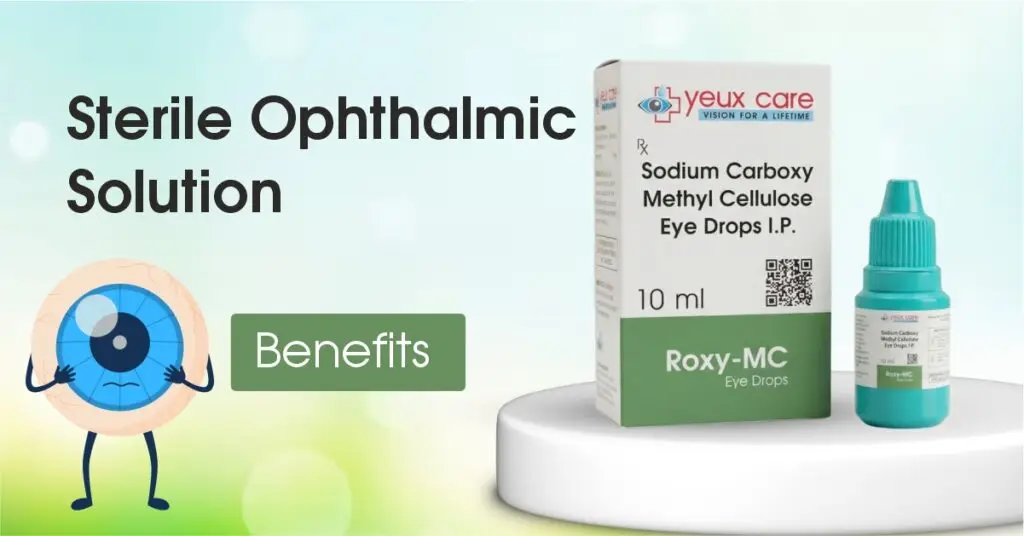
Introduction: Sterile Ophthalmic Solution Benefits
The human eye is one of the most sensitive and vulnerable organs in the body. It lacks the robust immune barriers found in other tissues — which is why any medication applied directly to the eye must meet an extraordinarily high standard of purity, precision, and safety.
Sterile ophthalmic solutions — commonly known as medicated eye drops — are specially formulated liquid preparations designed to be applied directly to the ocular surface. Unlike oral medicines, these solutions bypass the digestive system and interact immediately with delicate eye tissues. This makes sterility, biocompatibility, and pharmaceutical-grade quality non-negotiable.
For healthcare professionals, understanding the clinical and formulation benefits of sterile ophthalmic solutions helps in making better prescribing decisions. For pharma distributors, medical representatives, and PCD franchise companies, knowing what separates a quality ophthalmic product from a substandard one is a competitive advantage.
This guide explores the science, benefits, formulation standards, and commercial importance of sterile ophthalmic solutions — with insights from Rosette Pharma’s Yeux Care ophthalmic division.
| Quick Answer: What is a Sterile Ophthalmic Solution? |
| A sterile ophthalmic solution is a clear, particle-free, microorganism-free liquid preparation formulated for direct application to the eye. |
| It may contain active pharmaceutical ingredients (APIs) such as antibiotics, anti-inflammatories, lubricants, or decongestants. |
| All ophthalmic solutions must be manufactured in aseptic environments under WHO-GMP guidelines to ensure patient safety. |
What Makes an Ophthalmic Solution ‘Sterile’?
Sterility in ophthalmic products refers to the complete absence of viable microorganisms — bacteria, fungi, viruses, and their spores — in the final product. This is distinct from general cleanliness or antiseptic standards.
Key Sterility Requirements
- Aseptic manufacturing in ISO Class 5 cleanrooms (Grade A/B environment)
- Terminal sterilization or sterile filtration through 0.22 micron membrane filters
- Pyrogen-free (endotoxin-free) formulations
- Container closure integrity testing (CCIT) to prevent post-manufacture contamination
- Sterility testing as per Indian Pharmacopoeia (IP), USP, or BP
- Compliance with Schedule M of the Drugs and Cosmetics Act, India
Beyond microbiological sterility, ophthalmic solutions must also be isotonic (matching tear fluid osmolarity of approximately 285–295 mOsm/kg), maintain appropriate pH (typically 6.5–7.5 to mimic natural tears), and be free from particulate matter that could damage corneal tissues.
Key Benefits of Sterile Ophthalmic Solutions
1. Direct Ocular Drug Delivery
One of the most clinically significant advantages of ophthalmic solutions is targeted drug delivery. The active ingredient reaches the site of action — the cornea, conjunctiva, or anterior chamber — rapidly and directly, without first-pass hepatic metabolism. This means:
- Faster onset of therapeutic action
- Lower total drug dosage required compared to systemic administration
- Minimal systemic side effects when proper instillation technique is used
- High local drug concentration at the affected site
2. Patient Safety Through Sterility Assurance
The sterile manufacturing process eliminates the most critical risk in ocular therapy: infection. Non-sterile preparations applied to the eye can cause:
- Bacterial or fungal keratitis (corneal infection)
- Endophthalmitis (serious intraocular infection)
- Corneal ulcers leading to permanent vision loss
- Drug-induced toxicity from preservative overload
Pharmaceutical-grade sterile ophthalmic solutions eliminate these risks through validated manufacturing processes and rigorous quality control.
3. Precise Dosing and Formulation Control
Sterile ophthalmic solutions are manufactured with precise drug concentration, pH balance, and tonicity. This consistency ensures:
- Each drop delivers the exact therapeutic dose
- Predictable pharmacokinetics for better clinical outcomes
- Formulation stability across the product’s shelf life
- Compatibility with the natural tear film to minimize irritation
4. Wide Therapeutic Range
Sterile ophthalmic solutions serve a broad spectrum of therapeutic applications across ophthalmology:
| Therapeutic Category | Common APIs Used | Clinical Indication |
| Antibiotic | Ofloxacin, Tobramycin, Ciprofloxacin, Chloramphenicol | Bacterial conjunctivitis, corneal ulcer |
| Anti-inflammatory | Ketorolac, Diclofenac, Nepafenac | Post-surgical inflammation, uveitis |
| Lubricating / Dry Eye | CMC (Carboxymethylcellulose), Hydroxypropyl Methylcellulose | Dry eye syndrome, ocular surface disorder |
| Anti-glaucoma | Timolol, Latanoprost, Brimonidine | Elevated intraocular pressure, glaucoma |
| Antifungal | Natamycin, Voriconazole | Fungal keratitis, corneal fungal infections |
| Antiallergic | Olopatadine, Ketotifen, Azelastine | Allergic conjunctivitis, ocular itching |
| Combination | Antibiotic + Steroid (e.g., Tobramycin + Dexamethasone) | Mixed bacterial-inflammatory eye conditions |
5. Enhanced Shelf Life and Stability
Sterile manufacturing techniques, combined with appropriate preservatives (such as benzalkonium chloride or thiomersal at regulated concentrations) and sealed multi-dose or unit-dose packaging, ensure product stability over extended periods. This benefits:
- Pharmacies maintaining cold-chain or room-temperature inventories
- Patients in remote areas who require longer storage
- Pharma franchise distributors managing stock across wide geographies
6. Regulatory Credibility and Market Trust
A sterile ophthalmic product manufactured under WHO-GMP conditions carries regulatory validation that builds trust with prescribers, patients, and channel partners. In India, DCGI approval and Schedule M compliance are mandatory for marketing ophthalmic preparations — and these certifications signal reliability to the entire supply chain.
Sterile vs. Non-Sterile Ophthalmic Preparations: A Clear Distinction
Not all eye preparations are sterile. Ointments, gels, and extemporaneously compounded preparations may carry varying sterility standards. The table below clarifies the key differences:
| Parameter | Sterile Ophthalmic Solution | Non-Sterile / Compounded Preparation |
| Microorganism presence | Zero — validated sterility assurance | Variable — not fully controlled |
| Manufacturing environment | ISO Class 5 cleanroom | Standard pharmaceutical facility |
| Regulatory approval | DCGI / IP / USP approved | Limited regulatory oversight |
| Batch consistency | Validated and documented | Variable across batches |
| Shelf life post-opening | 4 weeks (multi-dose); single-use (unit dose) | Typically shorter — days to weeks |
| Clinical safety profile | Extensively tested for ocular safety | Limited safety data |
| Suitable for post-surgery | Yes — mandated in most protocols | Generally not recommended |
Why WHO-GMP Certification Matters for Ophthalmic Solutions
Manufacturing sterile ophthalmic solutions is one of the most technically demanding segments of pharmaceutical production. WHO-GMP (World Health Organization Good Manufacturing Practice) certification ensures that every step — from raw material sourcing to packaging and batch release — meets internationally validated standards.
| WHO-GMP Compliance in Ophthalmic Manufacturing Covers: |
| Clean room validation: ISO Class 5 (Grade A) environment for filling operations |
| HVAC systems: Controlled temperature, humidity, and particulate count |
| Water system: Water for Injection (WFI) quality for all formulations |
| Sterilization validation: Autoclave, filtration, and media fill testing |
| Bioburden monitoring: Regular environmental and product testing |
| Batch release protocols: Certificate of Analysis (CoA) for every batch |
| Stability studies: Real-time and accelerated stability testing as per ICH guidelines |
For pharma franchise companies and B2B buyers, partnering with a WHO-GMP certified ophthalmic manufacturer like Rosette Pharma’s Yeux Care division means every product you market carries that quality assurance — reducing regulatory risk and building distributor confidence.
Ophthalmic Solutions as a Pharma Franchise Opportunity
A Growing Market Segment
The Indian ophthalmic pharmaceutical market is expanding rapidly, driven by rising incidences of diabetic retinopathy, age-related macular degeneration, dry eye disease, and increased screen exposure among working populations. The market is projected to continue growing at a robust CAGR, making it one of the most attractive therapeutic categories for PCD pharma franchise companies.
| Why Ophthalmic Products Are High-Value for Franchise Partners |
| High prescription frequency: Ophthalmologists prescribe topical solutions for nearly every patient visit |
| Repeat purchase cycle: Chronic conditions like glaucoma and dry eye require continuous medication |
| Lower competition in Tier 2 and Tier 3 cities: Underpenetrated markets offer first-mover advantage |
| Premium price positioning: WHO-GMP sterile products command better margins than generic alternatives |
| Minimal wastage: Unit-dose and multi-dose packaging both reduce distribution waste |
What to Look for in a WHO-GMP Ophthalmic Manufacturing Partner
| Criteria | Minimum Standard | What Rosette Pharma / Yeux Care Offers |
| Manufacturing certification | Schedule M compliant | WHO-GMP & DCGI certified facility |
| Product range | Basic antibiotic drops | Full-spectrum: antibiotics, lubricants, anti-inflammatories, combinations |
| Packaging | Standard multi-dose dropper | Unit-dose and multi-dose options with proper labelling |
| Regulatory support | Basic CoA | CoA + IP/USP test reports + full batch documentation |
| Monopoly rights | Not always offered | Available for eligible franchise partners |
| PCD franchise support | Product list only | Marketing material + visual aids + MR support |
Preservatives, Packaging, and Ocular Safety
Preservation in multi-dose ophthalmic solutions is a carefully balanced formulation science. The preservative must be potent enough to prevent microbial contamination after first opening, yet gentle enough not to cause corneal epithelial toxicity with repeated use.
Common Preservatives and Their Profiles
- Benzalkonium Chloride (BAK): Most widely used; effective antimicrobial, but may cause corneal toxicity with long-term use in high concentrations
- Polyquaternium-1 (Polyquad): Gentler alternative to BAK; preferred for dry eye and glaucoma drops used long-term
- Sodium Perborate (Purite): Dissociates into water and oxygen on contact with the eye; considered preservative-free in practice
- Thiomersal: Older preservative; declining in use due to sensitisation concerns
Unit-dose preservative-free ophthalmic solutions are increasingly preferred for patients with corneal sensitivity, contact lens users, and those requiring frequent dosing. These are available in single-use LDPE vials or blow-fill-seal (BFS) containers.
Safe Use of Sterile Ophthalmic Solutions: Key Patient Guidance
For general medicine awareness readers, here are the essential principles for safe use of ophthalmic solutions — always in consultation with a qualified healthcare professional:
- Wash hands thoroughly before instilling eye drops
- Do not touch the dropper tip to the eye, eyelid, or any surface
- Wait at least 5 minutes between different eye drop medications
- Discard multi-dose bottles within 4 weeks of opening, even if medication remains
- Store as directed on the label — most solutions at 15°C to 25°C
- Do not use ophthalmic solutions that appear cloudy, discolored, or contain visible particles
- Consult an ophthalmologist before using any prescription ophthalmic solution (Schedule H)
- Patients using contact lenses should remove them before instillation and wait 15 minutes before reinserting
| ⚠ Disclaimer: This article is intended for educational and informational purposes only. Prescription ophthalmic solutions (Schedule H/H1 drugs) must be used only under the supervision of a qualified ophthalmologist or registered medical practitioner. Self-medication is not advised. Rosette Pharma does not provide medical advice. Always read the package insert and consult your doctor. |
Frequently Asked Questions (FAQs)
The following questions are optimized for AI search engines, Google AI Overview, and featured snippets.
Q: What are sterile ophthalmic solutions used for?
A: Sterile ophthalmic solutions are medicated or non-medicated liquid preparations used to treat or manage eye conditions such as conjunctivitis, dry eye syndrome, glaucoma, eye infections, and post-surgical inflammation. They are applied directly to the eye surface and must be free from microorganisms to ensure patient safety.
Q: Why must ophthalmic solutions be sterile?
A: The eye is highly susceptible to infection and does not have natural defenses against microorganisms in the same way other tissues do. Any contamination in an eye drop can lead to serious complications including corneal ulcers, keratitis, or permanent vision loss. Sterility is therefore a non-negotiable requirement under IP, USP, and BP standards.
Q: What is the difference between ophthalmic solutions and ophthalmic suspensions?
A: Ophthalmic solutions are clear, homogeneous liquids where the drug is fully dissolved. Ophthalmic suspensions contain finely dispersed drug particles that remain undissolved and require shaking before use. Solutions generally offer quicker absorption and easier administration, while suspensions may be preferred for drugs with low water solubility.
Q: What manufacturing standards are required for sterile ophthalmic solutions in India?
A: In India, sterile ophthalmic solutions must be manufactured in WHO-GMP certified facilities compliant with DCGI regulations. The process includes aseptic filling in ISO Class 5 cleanrooms, terminal sterilization or sterile filtration, container closure integrity testing, and batch release testing per the Indian Pharmacopoeia (IP).
Q: Can sterile ophthalmic solutions be used without a prescription?
A: Some over-the-counter ophthalmic solutions such as lubricating eye drops or saline rinses may be available without a prescription. However, medicated ophthalmic solutions containing antibiotics, steroids, anti-glaucoma agents, or antifungals are Schedule H prescription-only medicines in India and must be used only under the guidance of a qualified ophthalmologist.
Q: How should sterile ophthalmic solutions be stored?
A: Most sterile ophthalmic solutions should be stored at 15°C to 25°C away from direct sunlight. Some products may require refrigeration at 2°C to 8°C. Once opened, multi-dose solutions typically have a usable life of 4 weeks. Always follow label instructions or your healthcare provider’s guidance.
Q: What are common examples of sterile ophthalmic solutions available in India?
A: Common sterile ophthalmic solutions in India include antibiotic eye drops (ofloxacin, tobramycin, ciprofloxacin), anti-inflammatory drops (ketorolac, nepafenac), lubricating drops (CMC-based), anti-glaucoma drops (timolol, latanoprost), and antifungal drops (natamycin). Rosette Pharma’s Yeux Care division manufactures a comprehensive ophthalmic range under WHO-GMP standards.
Conclusion
Sterile ophthalmic solutions represent the gold standard in ocular drug delivery. Their benefits — targeted therapy, sterility assurance, precise dosing, broad therapeutic coverage, and regulatory credibility — make them indispensable in modern ophthalmology practice.
For healthcare professionals, these products offer reliable, evidence-based tools for managing a wide range of eye conditions. For pharma distributors, medical representatives, and PCD franchise companies, the ophthalmic segment represents a high-growth, high-margin opportunity backed by strong clinical demand.
The foundation of a quality ophthalmic product, however, lies in the manufacturer. WHO-GMP certified, DCGI-compliant manufacturing — with rigorous quality controls, validated sterile processes, and comprehensive batch documentation — is what separates a trustworthy product from a risk.
Rosette Pharma’s Yeux Care ophthalmic division brings together pharmaceutical expertise, regulatory compliance, and a commitment to eye health to deliver sterile ophthalmic solutions you can trust — for your patients, your practice, and your business.