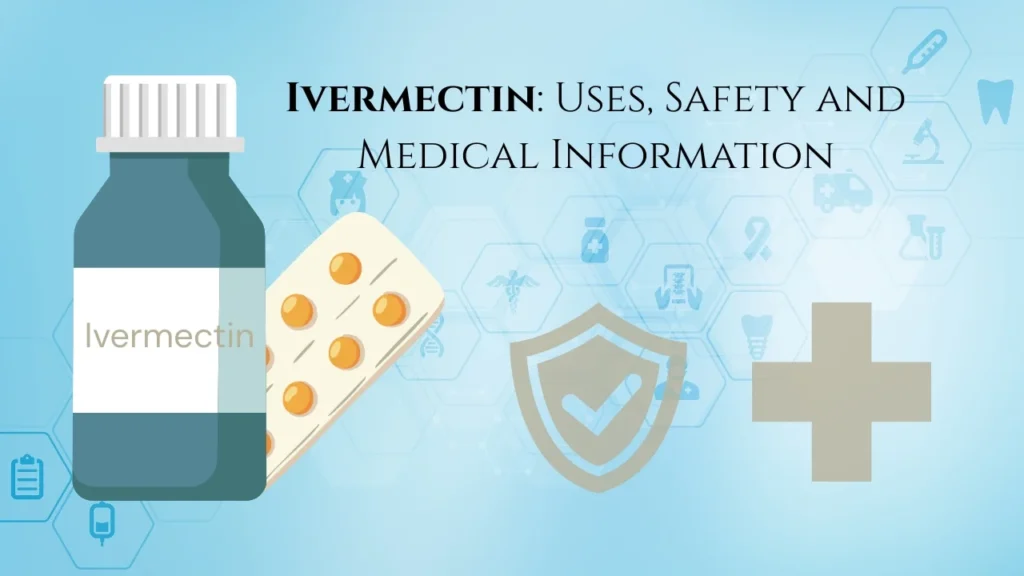
Ivermectin is a prescription medication that doctors use to treat infections caused by parasites. This medicine works against tiny organisms that can live inside or on the human body and cause health problems. Ivermectin belongs to a group of medicines called macrocyclic lactones, but what matters most is that it helps kill certain parasites effectively.
Doctors prescribe ivermectin for specific health conditions that the FDA has approved it for, mainly when patients have parasite-related infections. This medication has been helping people around the world for many years and remains an important treatment option when used correctly under a doctor’s care. However, it’s essential to take ivermectin only when your healthcare provider recommends it, as improper use can be dangerous.
This guide will walk you through everything you need to know about ivermectin—what it treats, how to take it safely, what side effects to watch for, and when it’s the right choice for treatment. Our goal is to give you clear, straightforward medical information so you can have better conversations with your doctor about this medication.
What Is Ivermectin?
Ivermectin is an antiparasitic medication that doctors prescribe to treat infections caused by parasites in the human body. Think of it as a medicine that targets specific tiny organisms that shouldn’t be living inside or on you.
When parasites invade your body, they can cause uncomfortable symptoms and serious health issues. Ivermectin works by attacking these unwanted invaders, helping your body get rid of them. This parasite infection medicine has helped millions of people worldwide deal with conditions that were once difficult to treat.
Ivermectin is a macrocyclic lactone—a special type of medicine discovered from natural soil bacteria. It works specifically against parasites while being generally safe for human use when taken as prescribed.
How Ivermectin Was Discovered
The story of ivermectin’s discovery is remarkable and earned a Nobel Prize in recognition of its impact on global health. In the 1970s, Japanese scientist Satoshi Ōmura collected soil samples from a golf course in Japan. He found special bacteria in that soil called Streptomyces avermitilis.
Working with American researcher William Campbell, they discovered these bacteria produced compounds that could kill parasites. After years of development, ivermectin was created from these natural compounds.
In 2015, both scientists received the Nobel Prize in Physiology or Medicine for this groundbreaking work. Their discovery has since helped treat billions of people suffering from devastating parasitic diseases, particularly in developing countries where such infections are common.
What Type of Medicine Ivermectin Is
Ivermectin belongs to a drug class called macrocyclic lactones, which are medicines made from compounds found in nature. While the name sounds complicated, what matters is understanding what it does. This type of medicine works by interfering with the nervous system of parasites—but only parasites, not humans.
The parasites become paralyzed and eventually die, then leave your body naturally. Ivermectin is effective against many different types of parasites including worms, mites, and certain insects that cause human disease.
As an antiparasitic medication, it’s considered essential by the World Health Organization for treating several serious conditions. Doctors choose ivermectin when they’ve identified a specific parasite infection that this medicine can treat effectively.
How Ivermectin Works in the Body
Understanding the mechanism of action of ivermectin helps explain why this medicine works against parasites but stays safe for humans. When you take ivermectin, it travels through your bloodstream and attaches to special parts of parasite cells called chloride channels.
These channels act like tiny doors controlling what enters cells. Ivermectin forces these doors open, flooding parasite cells with chloride particles. This causes parasite paralysis—they can’t move, eat, or survive, and eventually die off naturally.
| Step | What Happens |
|---|---|
| Medicine enters body | Absorbs into bloodstream |
| Finds parasites | Travels to infection sites |
| Attaches to cells | Locks onto chloride channels |
| Floods cells | Chloride rushes in |
| Causes paralysis | Parasites stop functioning |
| Eliminates infection | Dead parasites leave body |
Medical Uses of Ivermectin
Doctors prescribe ivermectin for several specific conditions, both for FDA-approved purposes and certain off-label situations. The medicine treats various parasitic infections that affect different parts of the body. Healthcare providers choose ivermectin based on the type of parasite causing your symptoms and whether it’s an appropriate treatment option for your specific situation.
FDA-Approved Uses
The FDA has officially approved ivermectin for treating two main parasitic worm infections in humans:
Strongyloidiasis is an infection caused by a roundworm called Strongyloides stercoralis that lives in the intestines. People get this parasitic worm infection from contaminated soil, usually in tropical areas. Symptoms include stomach pain, diarrhea, and skin rashes. Ivermectin kills these worms effectively with oral treatment.
Onchocerciasis, also called river blindness, comes from a worm transmitted by blackfly bites. This infection can damage eyes and skin severely if left untreated. Ivermectin doesn’t kill the adult worms but stops them from reproducing and kills the young worms causing symptoms.
| Condition | Parasite Type | How You Get It |
|---|---|---|
| Strongyloidiasis | Intestinal roundworm | Contaminated soil contact |
| Onchocerciasis | Tissue-dwelling worm | Blackfly bites |
Dermatology and Off-Label Uses
Beyond FDA-approved uses, doctors sometimes prescribe ivermectin for skin conditions and other parasitic problems:
- Scabies treatment involves using ivermectin against tiny mites that burrow under skin causing intense itching. While permethrin cream is the first choice, ivermectin tablets work well when creams fail or for severe cases affecting multiple people.
- Lice infestation can be treated with topical ivermectin lotion applied to hair and scalp. This includes head lice that commonly affect children and pubic lice in adults.
- Rosacea, a skin condition causing facial redness, responds to ivermectin cream. The medicine kills Demodex mites that may worsen rosacea symptoms.
Other off-label uses include treating certain other parasitic worm infections when your doctor determines ivermectin is the best option available.
Safety, Side Effects and Precautions
Like all medications, ivermectin can cause side effects, though not everyone experiences them. Understanding medication safety helps you know what to expect and when to contact your doctor. Most ivermectin side effects are mild and temporary, but recognizing serious problems is crucial for your health.
| Side Effect Type | Symptoms | Action Needed |
|---|---|---|
| Common (mild) | Dizziness, nausea, diarrhea | Usually resolves in 1-2 days |
| Less common | Itching, rash, muscle aches | Contact doctor if bothersome |
| Serious | Confusion, seizures, vision changes | Seek immediate medical help |
| Allergic reactions | Trouble breathing, facial swelling | Call emergency services |
Common Side Effects
Most people experience only minor ivermectin side effects or none at all. Frequent complaints include feeling dizzy, mild stomach upset, nausea, diarrhea, or headaches. Tiredness and muscle aches may occur. These medication safety concerns typically disappear within a few days as parasites die off. Drinking water and resting helps reduce discomfort.
Serious Reactions and Warnings
Rare but serious problems need immediate attention. Allergic reactions include difficulty breathing, chest tightness, or facial swelling—seek emergency care immediately. Neurotoxicity risk occurs with overdoses, causing confusion, severe dizziness, seizures, or vision problems.
Severe skin blistering also requires urgent evaluation. People with liver problems, weakened immunity, or those pregnant face higher risks. Always inform your doctor about all medications and health conditions before starting ivermectin.
Human vs Veterinary Ivermectin
Never use veterinary ivermectin products meant for animals. Animal formulations are extremely dangerous for humans and can cause serious illness, hospitalization. Only use human prescription ivermectin obtained through a licensed healthcare provider.
One of the most dangerous mistakes people make is using ivermectin products designed for livestock, horses, or pets. The veterinary ivermectin danger comes from critical differences that make animal products toxic to people, even though they contain the same active ingredient name.
Concentration levels in animal products are vastly higher than human doses. A single dose of horse paste or cattle injectable can contain ten to one hundred times more ivermectin than a person should ever take. This massive overdose causes livestock ivermectin toxicity in humans, leading to severe poisoning reactions including seizures, coma, and organ damage.
Veterinary formulations also contain additional chemicals that help animals absorb medicine but are never tested for human safety. These additives can poison people separately from the ivermectin itself. Animal products come in forms not meant for human use—pastes, pour-ons, injectables for thick animal skin, and liquids mixed with other drugs.
Human prescription ivermectin comes in carefully measured tablets made specifically for safe human use under strict quality controls. If you need ivermectin treatment, visit a doctor for proper diagnosis and the correct human medication. Using animal products has sent many people to emergency rooms with life-threatening poisoning.
Drug Interactions and Who Should Avoid It
Ivermectin can interact with other medications you’re taking, sometimes causing serious problems. Understanding drug interactions ivermectin may have helps keep you safe. Your body processes ivermectin through the liver using a system called CYP3A4 metabolism, which also breaks down many other common medicines.
When multiple drugs use the same processing system, they can interfere with each other, making medications stronger or weaker than intended. Always tell your doctor about every medicine, supplement, and herbal product you use before starting ivermectin.
Major Drug Interaction Risks
Several medications create significant drug interactions ivermectin when taken together:
- Blood thinners like warfarin can become more potent when combined with ivermectin, increasing bleeding risk and requiring closer monitoring of blood clotting levels.
- Seizure medications such as phenobarbital and valproic acid may interact because they affect the same CYP3A4 metabolism pathway in your liver.
- Heart rhythm drugs including amiodarone can amplify side effects when mixed with ivermectin
- Antibiotics like clarithromycin and erythromycin slow down how your body breaks down ivermectin, potentially causing higher drug levels.
- Antifungal medications such as ketoconazole interfere with ivermectin processing.
- HIV medications may alter ivermectin effectiveness or increase side effects.
- Statin cholesterol drugs could experience changed effectiveness when taken with ivermectin.
FAQs
Q1: What is ivermectin used for?
Ans: Ivermectin is commonly prescribed to treat certain parasitic infections such as intestinal worms, scabies, and lice. The exact use depends on a healthcare professional’s diagnosis.
Q2: Is ivermectin safe for humans?
Ans: Yes, when taken in the prescribed dose under medical supervision, ivermectin is generally considered safe. Self-medication or using veterinary products can be dangerous.
Q3: How is ivermectin dosage decided?
Ans: The dosage is usually calculated based on body weight and the type of infection being treated. Always follow the prescription provided by a healthcare professional.
Q4: Can ivermectin be taken without a prescription?
Ans: In many regions, ivermectin requires a prescription for human use. It should only be taken after medical consultation to ensure correct dosing and safety.
Q5: Are there any common side effects of ivermectin?
Ans: Some people may experience mild side effects such as dizziness, nausea, or itching. Severe reactions are rare but require immediate medical attention.
Q6: How long does ivermectin take to work?
Ans: The medicine begins acting soon after ingestion, but symptom improvement may vary depending on the infection type. Some treatments may require repeat dosing as advised by a doctor.
Q7: Who should avoid taking ivermectin?
Ans: People with certain liver conditions, allergies to the drug, or those taking interacting medications should consult a doctor before use. Pregnant or breastfeeding individuals should seek medical advice first.