
Introduction
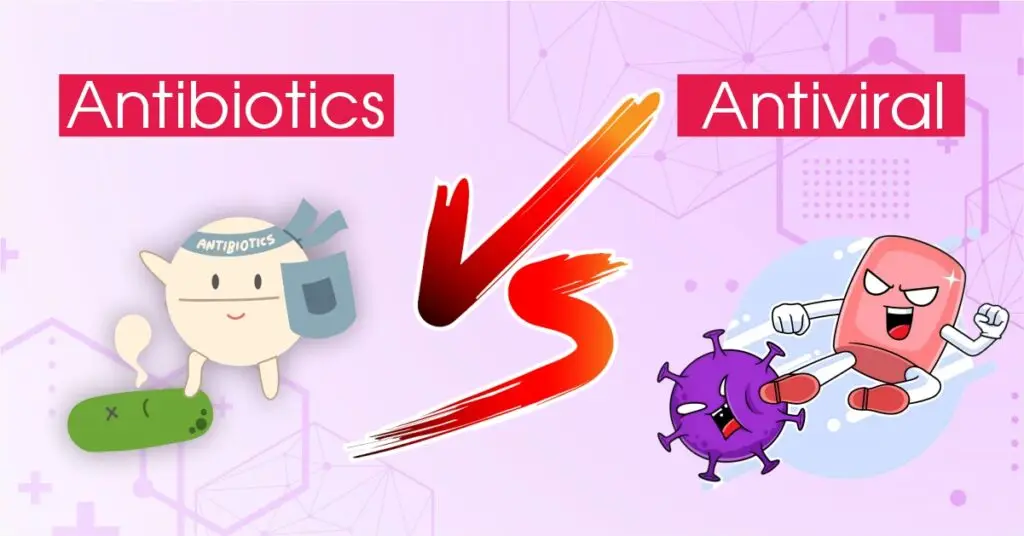
In this Blog ( Antibiotic vs Antiviral Medicine ) your will explore, When you fall sick, the first instinct is often to reach for medicine. But do you know whether you need an antibiotic or an antiviral? Many people — including healthcare professionals in non-specialist settings — sometimes use these terms interchangeably. However, antibiotics and antiviral medicines are fundamentally different drugs designed to combat entirely different types of infections.
This comprehensive pharmaceutical medicine guide explains the difference between antibiotics and antivirals, how each works, when to use them, their side effects, and why using the wrong type of medicine can be harmful. Whether you are a healthcare reader, pharma distributor, medical representative, or pharma franchise company, understanding this distinction is critical for responsible medicine use and quality healthcare delivery.
What Are Antibiotics?
Antibiotics are a class of medicines used to treat infections caused by bacteria. They work by either killing bacteria (bactericidal) or inhibiting their growth (bacteriostatic). Discovered in the early 20th century, antibiotics revolutionised modern medicine and remain one of the most widely prescribed drug categories globally.
Key Characteristics of Antibiotics
- Effective only against bacterial infections
- Available as broad-spectrum antibiotics (targeting a wide range of bacteria) or narrow-spectrum (targeting specific bacteria)
- Require a prescription in most countries
- Available in oral, injectable, and topical forms
- Examples include Amoxicillin, Azithromycin, Ciprofloxacin, and Doxycycline
What Are Antiviral Medicines?
Antiviral medicines are drugs specifically formulated to treat infections caused by viruses. Unlike antibiotics, antivirals do not kill viruses outright — viruses are not living organisms in the traditional sense. Instead, antiviral medicines interfere with the virus’s ability to replicate inside the human body, thereby limiting the infection’s progression.
Key Characteristics of Antiviral Medicines
- Effective only against viral infections
- Target specific stages of the viral life cycle
- Many antivirals are virus-specific (e.g., HIV antivirals won’t work for influenza)
- Often most effective when started early in the infection
- Examples include Oseltamivir (Tamiflu), Acyclovir, Remdesivir, and Lopinavir/Ritonavir
Key Difference Between Antibiotics and Antivirals
The table below provides a clear at-a-glance comparison to understand the core difference between antibiotics and antivirals:
| Feature | Antibiotics | Antiviral Medicines |
| Target Pathogen | Bacteria | Viruses |
| Mechanism | Kill or inhibit bacterial growth | Inhibit viral replication |
| Spectrum | Broad-spectrum or narrow-spectrum | Usually virus-specific |
| Common Uses | Pneumonia, UTI, TB, tonsillitis | Flu, HIV, Herpes, COVID-19 |
| Resistance Risk | High (antibiotic resistance) | Moderate (antiviral resistance) |
| Effect on Viruses? | No | Yes |
| Effect on Bacteria? | Yes | No |
| Example Drugs | Amoxicillin, Ciprofloxacin | Oseltamivir, Acyclovir |
How Antibiotics Work
Antibiotics work by targeting structures or processes unique to bacteria that are not present in human cells. This selective targeting makes them effective against bacteria while minimising harm to the patient. The primary mechanisms include:
- Cell wall disruption: Penicillin-class antibiotics prevent bacteria from building their cell walls, causing them to burst.
- Protein synthesis inhibition: Macrolides and tetracyclines block bacterial ribosomes, stopping protein production essential for bacterial survival.
- DNA replication interference: Fluoroquinolones (e.g., Ciprofloxacin) block enzymes bacteria need to copy their DNA.
- Cell membrane disruption: Some antibiotics damage the bacterial cell membrane, causing leakage of vital cellular content.
Important Note: Antibiotics for bacterial infections CANNOT treat viral infections. Using antibiotics against viral illnesses such as the common cold or flu is ineffective and contributes to antibiotic resistance.
How Antiviral Medicines Work
Treating viral infections is more challenging than treating bacterial infections because viruses use the host cell’s own machinery to replicate. Antiviral drugs must therefore target viral components specifically without harming the patient’s own cells. Key antiviral mechanisms include:
- Blocking viral entry: Some antivirals prevent the virus from attaching to and entering human cells (e.g., fusion inhibitors used in HIV treatment).
- Inhibiting viral replication enzymes: Drugs like Oseltamivir (Tamiflu) block neuraminidase, an enzyme the influenza virus needs to spread.
- Interfering with viral DNA/RNA synthesis: Acyclovir works by mimicking viral DNA building blocks, halting herpes virus replication.
- Boosting immune response: Some antivirals, like interferons, stimulate the body’s own immune defence against the virus.
Common Uses of Antibiotics
Antibiotics are prescribed across a wide range of bacterial infections. Common clinical applications include:
- Respiratory infections: Bacterial pneumonia, whooping cough, Legionnaire’s disease
- Urinary tract infections (UTIs): Caused by E. coli and other bacteria
- Skin infections: Cellulitis, impetigo, infected wounds
- Ear and throat infections: Bacterial tonsillitis, otitis media (ear infection)
- Sexually transmitted infections (STIs): Chlamydia, gonorrhoea, syphilis
- Gastrointestinal infections: H. pylori (stomach ulcers), Salmonella
- Tuberculosis (TB): Requires long-term combination antibiotic therapy
Broad-spectrum antibiotics such as Amoxicillin-Clavulanate are used when the causative bacterium is unknown, while narrow-spectrum options are preferred when the pathogen is identified to minimise resistance.
Common Uses of Antiviral Medicines
Antiviral drug uses span a range of serious and common viral diseases:
- Influenza (Flu): Oseltamivir (Tamiflu) and Zanamivir reduce severity and duration
- HIV/AIDS: Antiretroviral therapy (ART) suppresses viral load effectively
- Herpes Simplex Virus (HSV): Acyclovir and Valacyclovir manage outbreaks
- Hepatitis B and C: Tenofovir (Hep B) and Direct-Acting Antivirals like Sofosbuvir (Hep C)
- COVID-19: Remdesivir and Nirmatrelvir/Ritonavir (Paxlovid) have been used in treatment protocols
- Chickenpox and Shingles: Acyclovir and Famciclovir are commonly prescribed
- Cytomegalovirus (CMV): Ganciclovir used in immunocompromised patients
Can Antibiotics Treat Viral Infections?
This is one of the most critical and commonly misunderstood questions in healthcare. The short and definitive answer is: No. Antibiotics cannot treat viral infections.
Viruses and bacteria are entirely different types of pathogens. Antibiotics are designed to target structures found in bacteria, such as cell walls and bacterial ribosomes, neither of which exist in viruses. When antibiotics are taken for a viral illness like the common cold, influenza, or COVID-19:
- They provide no therapeutic benefit
- They kill beneficial gut bacteria, disrupting the microbiome
- They contribute to the development of antibiotic resistance
- They may cause unnecessary side effects
A common misconception is that antibiotics help ‘prevent’ a bacterial infection during a viral illness. Prophylactic antibiotic use should only be considered under strict medical supervision and is not a routine practice.
Side Effects of Antibiotics vs Antivirals
Both antibiotics and antivirals can cause side effects. Understanding these is important for patient counselling and pharmacovigilance:
| Side Effect Area | Antibiotics | Antiviral Medicines |
| Gastrointestinal | Nausea, diarrhoea, vomiting | Nausea, abdominal pain |
| Allergic Reactions | Rashes, anaphylaxis (rare) | Rashes, hypersensitivity |
| Gut Microbiome | Disruption of gut flora | Generally less impact |
| Liver | Hepatotoxicity (rare) | Hepatotoxicity (some drugs) |
| Kidney | Nephrotoxicity (e.g., aminoglycosides) | Nephrotoxicity (e.g., Tenofovir) |
| Nervous System | Peripheral neuropathy (rare) | Headache, dizziness |
| Drug Resistance | Antibiotic resistance risk | Antiviral resistance risk |
All medications should be taken only as directed by a registered healthcare professional. Patients should report any unusual side effects to their doctor promptly.
Antibiotic Resistance Explained
Antibiotic resistance is one of the most serious global public health threats of our time. It occurs when bacteria evolve mechanisms to survive exposure to antibiotics that were once effective against them.
How Does Antibiotic Resistance Develop?
- Overuse and misuse of antibiotics in humans and agriculture
- Incomplete antibiotic courses (bacteria survive and adapt)
- Use of antibiotics for viral infections (ineffective but drives resistance)
- Poor infection prevention and control practices in healthcare settings
Consequences of Antibiotic Resistance
- Common infections become difficult or impossible to treat
- Longer hospital stays and higher treatment costs
- Increased mortality from previously manageable conditions
- Rise of ‘superbugs’ like MRSA (Methicillin-resistant Staphylococcus aureus)
The WHO has listed antibiotic resistance as one of the top 10 global public health threats. Responsible antibiotic stewardship — prescribing the right antibiotic, at the right dose, for the right duration — is essential for all pharma companies and healthcare providers.
Precautions Before Taking Medicines
Whether taking antibiotics or antivirals, patients and healthcare providers should observe these important precautions:
- Always obtain a proper medical diagnosis before initiating antibiotic or antiviral therapy
- Inform the prescribing doctor about all existing medications to avoid drug interactions
- Disclose any known drug allergies, especially penicillin allergy for antibiotics
- Complete the full prescribed course of antibiotics even if symptoms improve early
- Do not self-medicate or use leftover medicines from previous prescriptions
- Store medicines as per label instructions (temperature, humidity, light exposure)
- Keep medicines out of reach of children
- Pregnant and breastfeeding women should only take medicines under medical supervision
When to Consult a Doctor
Not every infection requires prescription medication, but certain warning signs demand prompt medical attention. Consult a qualified healthcare provider if you experience:
- High fever lasting more than 48–72 hours
- Severe sore throat with difficulty swallowing
- Symptoms that worsen rather than improve after 3–5 days
- Shortness of breath, chest pain, or confusion
- Skin rash, especially if spreading rapidly
- Recurrent infections in the same body area
- Infections in immunocompromised individuals (HIV, chemotherapy patients, elderly)
- Urinary symptoms including blood in urine or severe burning
This article is for educational purposes only. It does not constitute medical advice. Always consult a qualified medical professional for diagnosis and treatment guidance.
Frequently Asked Questions (FAQs)
Q: What is the main difference between antibiotic and antiviral medicine?
A: Antibiotics treat bacterial infections by killing or inhibiting bacteria, while antiviral medicines treat viral infections by blocking viral replication. They are not interchangeable.
Q: Can antibiotics treat viral infections like flu or COVID-19?
A: No. Antibiotics have no effect on viruses. Using antibiotics for viral infections like influenza or COVID-19 is ineffective and contributes to antibiotic resistance.
Q: What are broad-spectrum antibiotics?
A: Broad-spectrum antibiotics are effective against a wide range of both gram-positive and gram-negative bacteria. Examples include Amoxicillin-Clavulanate and Ciprofloxacin. They are used when the specific bacteria causing an infection has not been identified.
Q: Can antiviral medicines cure viral infections?
A: Most antiviral medicines do not cure viral infections outright. They suppress the virus, reduce symptom severity, shorten illness duration, and prevent complications. Some antivirals, like those for Hepatitis C, can achieve a functional cure.
Q: What happens if you take antibiotics unnecessarily?
A: Unnecessary antibiotic use can disrupt your gut microbiome, cause side effects, and most importantly, contribute to antibiotic resistance — making future bacterial infections harder to treat.
Q: Are antiviral medicines the same as antibiotics?
A: No. Antiviral medicines and antibiotics are fundamentally different drug classes. Antivirals target viruses; antibiotics target bacteria. They have different mechanisms of action, different side effects, and different clinical applications.
Q: Is the flu treated with antibiotics or antivirals?
A: Influenza (flu) is a viral infection and should not be treated with antibiotics. Antiviral medicines such as Oseltamivir (Tamiflu) are the appropriate treatment when prescribed by a doctor.
Q: What is antibiotic stewardship?
A: Antibiotic stewardship refers to coordinated strategies to improve and measure the appropriate use of antibiotics. The goal is to preserve antibiotic effectiveness by ensuring they are only used when truly necessary, in the correct dose, and for the correct duration.
Q: Which is more expensive — antibiotics or antivirals?
A: Generally, many antivirals (especially for HIV, Hepatitis C, or COVID-19 treatments) tend to be more expensive than common antibiotics. However, costs vary widely depending on the specific drug, brand vs generic formulation, and the country’s pricing regulations.
Q: Can a bacterial and viral infection occur at the same time?
A: Yes. A secondary bacterial infection can develop during or after a viral illness (e.g., bacterial pneumonia following influenza). In such cases, a doctor may prescribe both an antiviral and an antibiotic simultaneously.
Q: What should I do if I have leftover antibiotics?
A: Do not self-medicate with leftover antibiotics. Return unused medications to a pharmacist or authorised drug disposal facility. Never share prescription medications with others.
Q: How do pharma companies ensure quality of antibiotics and antivirals?
A: Reputable pharmaceutical manufacturers follow WHO-GMP (Good Manufacturing Practices) guidelines, conduct rigorous quality control testing, and adhere to regulatory standards set by bodies like the CDSCO (India), FDA (USA), or EMA (Europe) to ensure product efficacy and patient safety.
Conclusion
Understanding the difference between antibiotic and antiviral medicine is not just academic — it is a matter of patient safety and public health. Antibiotics are life-saving medicines for bacterial infections but are powerless against viruses. Antivirals are essential tools in combating viral diseases but are not substitutes for antibiotics when bacteria are the culprit.
As the global burden of both infectious diseases and antibiotic resistance grows, the role of responsible pharmaceutical companies, well-trained medical representatives, and informed pharma distributors becomes increasingly critical. Ensuring that the right medicines reach the right patients, backed by scientific accuracy and regulatory compliance, is the cornerstone of quality healthcare.
| Partner with Rosette Pharma for Quality Healthcare Products Are you a pharma distributor, medical representative, or looking for a reliable pharma franchise partner? Rosette Pharma offers a trusted range of WHO-GMP certified antibiotics, antiviral medicines, and other pharmaceutical products backed by rigorous quality control and regulatory compliance. Explore our product range: https://rosettepharma.com/rosettepharma/ Get in touch with us: Contact Us or Visit : Rosette Pharma Connect with us for pharma franchise opportunities, third-party manufacturing services, and wholesale medicine supply. Your patients deserve nothing less than quality. |