
Introduction
If you sneeze non-stop every time the seasons change, you are not alone. Seasonal allergies affect a large share of people across the world, and the numbers rise every year. They tend to appear around the same time each year, often linked to specific plants, weather patterns, or environmental changes.
Seasonal allergies happen when your immune system reacts to substances that are normally harmless, such as pollen or mold spores. During certain months, these particles fill the air in much higher amounts, which is why symptoms tend to flare up at predictable times of the year.
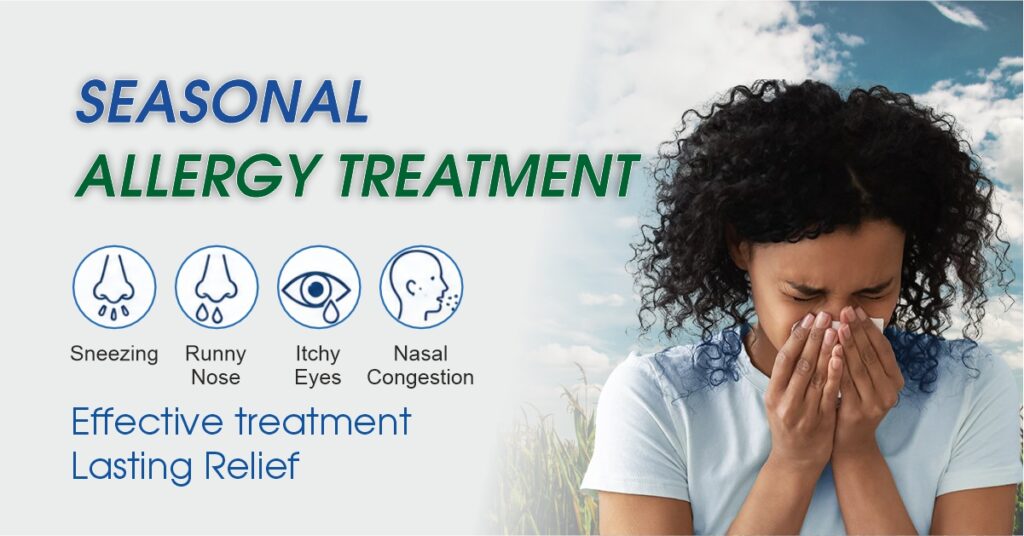
For many people, this means weeks of sneezing, a blocked nose, itchy eyes, and disturbed sleep. While these symptoms are rarely dangerous on their own, they can affect daily life, work productivity, and overall comfort.
This guide covers what causes seasonal allergies, how to recognise the symptoms, how doctors diagnose them, and the treatment options commonly used, including antihistamines and leukotriene receptor antagonists. We will also look at simple home care steps and prevention habits that may help reduce exposure to allergens.
Key Takeaway: Seasonal allergies are a widespread immune response to environmental triggers like pollen and mold. They are manageable with the right guidance from a healthcare professional.
What Are Seasonal Allergies?
Seasonal allergies are commonly known as allergic rhinitis, and when they are specifically triggered by pollen, they are often called hay fever. Despite the name, hay fever has nothing to do with hay or fever — it is simply an old term that has stuck around.
Understanding the Immune Response
Your immune system is designed to protect you from harmful invaders like bacteria and viruses. In people with allergies, the immune system mistakenly treats a harmless substance, such as pollen, as a threat.
Here is what typically happens:
- The body encounters an allergen (like pollen) and identifies it as dangerous.
- Immune cells produce antibodies (IgE) directed against that specific allergen.
- On repeated exposure, these antibodies trigger the release of histamine and other chemicals from cells in the nose, eyes, and airways.
- Histamine causes the blood vessels to widen and become leaky, leading to swelling, irritation, and the classic allergy symptoms.
This is why antihistamines, a common category of allergy medicine, work by blocking the effects of histamine in the body.
Allergic Rhinitis vs Hay Fever
Both terms are often used interchangeably, but allergic rhinitis is the broader medical term for nasal allergy symptoms, whether triggered by pollen, dust, or other allergens. Hay fever specifically refers to allergic rhinitis caused by pollen exposure during certain seasons.
Key Takeaway: Seasonal allergies are driven by an overactive immune response to environmental allergens, with histamine release being the main cause of symptoms.
Common Causes of Seasonal Allergies
Several environmental triggers are responsible for seasonal allergy flare-ups. Some are more common at specific times of the year, while others can be present year-round.
- Pollen – Tiny particles released by plants for reproduction; a leading cause of seasonal allergic rhinitis.
- Grass pollen – Common during late spring and summer months.
- Tree pollen – Typically peaks in early spring.
- Weed pollen – Often peaks in late summer through autumn, with ragweed being a major contributor in many regions.
- Mold spores – Thrive in damp environments and can be present both indoors and outdoors, especially after rain.
- Dust – Household dust, which often contains dust mites, can trigger allergic reactions similar to pollen.
- Pet dander – Tiny flakes of skin shed by cats, dogs, and other furry animals.
- Air pollution – While not an allergen itself, pollution can worsen the severity of allergic symptoms and irritate airways already sensitised by allergens.
Understanding which allergen affects you the most can help guide better prevention and treatment planning, which is often confirmed through allergy testing.
Key Takeaway: Pollen, mold, dust, and pet dander are among the most common seasonal allergy triggers, with pollution often making symptoms worse.
Seasonal Allergy Symptoms
Seasonal allergy symptoms can range from mild to significantly disruptive. They usually affect the nose, eyes, throat, and sometimes overall energy levels.
| Symptom | Description |
|---|---|
| Sneezing | Frequent, repeated sneezing, often triggered by allergen exposure |
| Runny nose | Clear, watery nasal discharge |
| Blocked nose | Nasal congestion due to swollen tissues |
| Itchy eyes | Irritation and itching, often with redness |
| Watery eyes | Excess tearing due to eye irritation |
| Itchy throat | Scratchy or irritated feeling in the throat |
| Postnasal drip | Mucus dripping down the back of the throat |
| Dry cough | Cough caused by throat irritation or postnasal drip |
| Fatigue | Tiredness, often from poor sleep or ongoing inflammation |
| Difficulty sleeping | Disrupted sleep due to nasal congestion or coughing |
These symptoms can vary in intensity from person to person and may worsen with prolonged allergen exposure or during high pollen count days.
Key Takeaway: Seasonal allergy symptoms mainly affect the nose, eyes, and throat, and can also cause fatigue and poor sleep when left unmanaged.
Seasonal Allergy vs Common Cold
Since allergies and colds share several overlapping symptoms, people often confuse the two. Here is a simple comparison to help you understand the differences.
| Parameter | Seasonal Allergy | Common Cold |
|---|---|---|
| Cause | Allergen exposure (pollen, dust, mold) | Viral infection |
| Duration | Can last weeks to months, as long as allergen exposure continues | Usually resolves in 7–10 days |
| Fever | Rare | Sometimes present, usually mild |
| Sneezing | Frequent, often in bursts | Occasional |
| Itching | Common, especially eyes, nose, and throat | Uncommon |
| Runny nose | Clear, watery discharge | Starts clear, may turn thicker/yellowish |
| Body aches | Uncommon | Common, especially in early stages |
| Treatment | Antihistamines, allergen avoidance, nasal care | Rest, fluids, symptomatic relief |
If your symptoms line up with a pattern year after year around the same season, allergies are more likely. If symptoms come with fever and body aches and resolve within a week or two, it is more likely a cold.
Key Takeaway: Persistent, itchy, seasonal symptoms without fever often point to allergies, while short-term illness with fever and body aches usually suggests a cold.
How Seasonal Allergies Are Diagnosed
If you experience recurring symptoms every year, a healthcare professional can help confirm whether allergies are the cause. Diagnosis usually involves the following steps:
1. Medical History
The doctor will ask about the timing of your symptoms, possible triggers, family history of allergies, and any patterns you have noticed.
2. Physical Examination
A physical check of the nose, throat, and eyes helps identify signs of allergic inflammation, such as swelling or a pale, boggy nasal lining.
3. Skin Prick Test
Small amounts of common allergens are applied to the skin, usually on the forearm, to see if a reaction occurs. This is one of the most common ways to identify specific allergy triggers.
4. Blood Tests
Tests that measure specific IgE antibodies in the blood can help confirm sensitivity to particular allergens, especially when skin testing is not suitable.
5. Allergy Testing (Panel Testing)
In some cases, a broader allergy panel may be recommended to identify multiple potential triggers at once, helping create a more targeted treatment and avoidance plan.
Key Takeaway: Proper diagnosis through medical history, physical exams, and allergy testing helps identify your specific triggers and guides more effective treatment.
Best Treatment Options for Seasonal Allergies
Treatment for seasonal allergies typically combines medication, allergen avoidance, and supportive care. A healthcare provider can help decide the right combination based on the severity and pattern of your symptoms.
Antihistamines
Antihistamines work by blocking histamine, the chemical responsible for sneezing, itching, and a runny nose. Many modern antihistamines, such as levocetirizine and fexofenadine, are formulated to cause less drowsiness compared to older options.
Leukotriene Receptor Antagonists
Leukotrienes are another group of chemicals released during an allergic reaction, contributing to nasal congestion and airway inflammation. Leukotriene receptor antagonists, such as montelukast, work differently from antihistamines by blocking these chemicals, and are sometimes used alongside antihistamines for more complete symptom control, especially when allergies are linked with asthma-like symptoms.
Nasal Saline Irrigation
Rinsing the nasal passage with a saline solution can help physically wash out allergens, mucus, and irritants, offering gentle relief from congestion.
Nasal Sprays
Certain nasal sprays help reduce inflammation and congestion directly at the site of irritation. These are often used for more persistent nasal symptoms.
Eye Drops
For allergic conjunctivitis (itchy, watery, red eyes), doctors may recommend specific allergy eye drops to reduce irritation.
Avoiding Allergens
Reducing exposure to known triggers, such as staying indoors during high pollen counts or using air purifiers, is a key part of long-term management.
Lifestyle Modifications
Simple daily habits, like showering after outdoor activities and washing bedding regularly, can meaningfully reduce allergen load in your environment.
You may also find it helpful to read about the difference between suspension and syrup formulations when choosing medicines for children, or explore guidance on the best medicine for blocked nose if congestion is your primary concern.
Important: Allergy medicines should only be used under medical supervision. A doctor can help determine the right medicine, dose, and duration based on your specific symptoms and health history.
Rosette Pharma Products for Seasonal Allergy Treatment
Several medicines are commonly used by doctors to manage seasonal allergy symptoms. Below are some formulations available from Rosette Pharma. These are prescription-guided options, and should only be used as advised by a qualified healthcare professional.
1. LEZET
Composition: Levocetirizine 5 mg Product Page: LEZET – Levocetirizine 5mg Tablet
LEZET contains levocetirizine, a commonly prescribed antihistamine used to relieve symptoms of seasonal allergic rhinitis. It works by blocking histamine receptors, helping ease:
- Sneezing
- Runny nose
- Itchy eyes
- Skin allergies
As with all antihistamines, it should be taken only as prescribed by a doctor, who will consider your symptoms, medical history, and any other medicines you may be taking. You can read more in this detailed levocetirizine tablet guide.
2. LEZET MT
Composition: Levocetirizine 5 mg + Montelukast 10 mg Product Page: LEZET MT – Levocetirizine 5mg + Montelukast 10mg Tablet
LEZET MT combines an antihistamine (levocetirizine) with a leukotriene receptor antagonist (montelukast), offering a dual-action approach:
- Levocetirizine blocks histamine to control sneezing, itching, and runny nose.
- Montelukast blocks leukotrienes, which contribute to nasal congestion and inflammation.
This combination is sometimes considered by doctors for patients with more persistent seasonal allergic rhinitis symptoms who may benefit from a broader mode of action. You can learn more about this combination in our detailed article on montelukast sodium and levocetirizine. As always, this medicine should only be used under a doctor’s guidance.
3. LEZET MT KID
Composition: Levocetirizine 2.5 mg + Montelukast 5 mg Product Page: LEZET MT KID – Pediatric Tablet
LEZET MT KID is formulated specifically for children, with a lower, child-appropriate dose of the same combination found in LEZET MT. It is designed to support pediatric allergy management in a formulation intended to be more suitable for younger patients.
Children’s allergy treatment should always be guided by a pediatrician, who can assess the appropriate dose based on the child’s age, weight, and symptom severity. Never adjust a child’s allergy medicine dose without medical advice.
4. MONTAID FX
Composition: Fexofenadine 120 mg + Montelukast 10 mg Product Page: MONTAID FX
MONTAID FX combines fexofenadine, a non-drowsy antihistamine, with montelukast. This combination is sometimes prescribed for patients experiencing:
- Seasonal allergies
- Allergic rhinitis
- Nasal congestion
- Breathing discomfort associated with allergies
Because fexofenadine is generally formulated to be non-sedating, this combination may be considered by doctors for patients who need daytime symptom relief without significant drowsiness. Dosing and suitability should always be confirmed by a healthcare provider.
5. SALROX NASAL DROPS
Composition: Sodium Chloride 0.65% Product Page: SALROX Nasal Drops
SALROX is a saline nasal drop formulation that supports nasal hydration and comfort. It works by:
- Helping loosen and wash away allergens and mucus from the nasal passage
- Supporting nasal moisture, especially in dry or congested conditions
- Acting as a gentle, supportive addition alongside prescribed allergy treatment
Saline drops are generally considered a supportive measure rather than a primary treatment, and can be used as part of a broader allergy management plan discussed with your doctor.
Important Reminder: All medicines mentioned above are intended to be used strictly under medical supervision. Do not start, stop, or switch any allergy medicine without consulting a qualified healthcare professional, especially in children, pregnant or breastfeeding women, and people with existing health conditions.
Home Remedies for Seasonal Allergies
Alongside medical treatment, certain home care steps may help ease mild allergy symptoms and support overall comfort:
- Saline rinse – Helps flush out allergens and mucus from the nasal passage.
- Steam inhalation – May help loosen congestion and soothe irritated nasal passages.
- Hydration – Drinking enough water helps keep mucus thin and easier to clear.
- Air purifiers – Can help reduce airborne allergens indoors, especially in bedrooms.
- Keeping windows closed – Limits pollen and outdoor allergens from entering the home during high pollen count periods.
- Changing clothes after outdoor exposure – Helps prevent pollen from spreading indoors, especially onto bedding and furniture.
- Avoiding pollen exposure – Limiting outdoor activities during peak pollen hours, typically mid-morning to early afternoon, can help reduce symptom flare-ups.
These measures work best as a supportive part of an overall allergy management plan and are not a replacement for medical treatment when symptoms are moderate to severe.
Key Takeaway: Simple home care steps like saline rinses, hydration, and reducing allergen exposure can complement medical treatment for better symptom control.
Tips to Prevent Seasonal Allergies
A few consistent habits can help reduce your exposure to common allergens throughout the year.
Seasonal Allergy Prevention Checklist:
- ✔ Check local pollen counts before planning outdoor activities
- ✔ Wear sunglasses outdoors to reduce pollen contact with eyes
- ✔ Wash hands frequently, especially after being outdoors
- ✔ Shower and change clothes after returning home
- ✔ Vacuum carpets and upholstery regularly using a good filter
- ✔ Keep pets clean and groomed to reduce dander spread
- ✔ Use air conditioning instead of open windows during high pollen seasons
- ✔ Wear a mask outdoors during high pollen days, especially if doing yard work
Key Takeaway: Small daily habits, like checking pollen counts and reducing indoor allergen buildup, can meaningfully lower the frequency and severity of allergy flare-ups.
When Should You See a Doctor?
While mild seasonal allergies can often be managed with guidance from a healthcare provider and simple home care, certain signs suggest it’s time to seek medical attention:
- Persistent symptoms that do not improve with initial treatment or last longer than usual
- Difficulty breathing, wheezing, or shortness of breath
- Asthma symptoms, especially if allergies seem to be triggering or worsening asthma
- Recurring sinus infections, which may indicate that allergies are affecting the sinuses
- Severe allergic reactions, including swelling of the face, lips, or throat, which require immediate emergency care
If you’re unsure whether your symptoms are due to allergies, a cold, or a sinus-related issue, it’s worth reading more about the best medicine for sinus infection or speaking directly with a healthcare provider for a proper evaluation.
Key Takeaway: Persistent or worsening symptoms, breathing difficulty, or signs of severe reaction are all reasons to consult a doctor promptly rather than self-manage.
Myths vs Facts
Myth: Seasonal allergies only happen in spring. Fact: They can occur throughout the year, depending on the specific allergen — tree pollen in spring, grass in summer, weeds in autumn, and mold or dust indoors any time of year.
Myth: Allergy medicines are addictive. Fact: Most allergy medicines, including antihistamines, are not addictive when taken as prescribed by a doctor.
Myth: All allergies require antibiotics. Fact: Antibiotics treat bacterial infections, not allergies. Allergic reactions are managed with antihistamines, leukotriene receptor antagonists, and allergen avoidance.
Myth: You can outgrow seasonal allergies completely. Fact: While symptoms can change over time, many people continue to have seasonal allergies throughout adulthood, though severity may vary.
Myth: Moving to a different city will cure your allergies. Fact: Relocating may reduce exposure to specific allergens, but new environments often have their own triggers, and allergies can develop over time to new allergens too.
Myth: Indoor allergies aren’t as common as outdoor ones. Fact: Dust mites, mold, and pet dander are common indoor allergens and can trigger symptoms just as often as outdoor pollen.
Myth: Allergy testing is only for children. Fact: Allergy testing can be done at any age and is often recommended for adults with unexplained or recurring symptoms.
Myth: Non-drowsy antihistamines don’t work as well as older ones. Fact: Many modern non-drowsy antihistamines are effective for allergy symptom relief, with the added benefit of less sedation.
Myth: A runny nose always means a cold. Fact: A runny nose is also a hallmark symptom of allergic rhinitis, especially when it’s clear and watery and lasts for weeks.
Myth: Once you start allergy medicine, you can never stop. Fact: Duration of treatment depends on individual symptoms and doctor’s advice; some people use medicines seasonally, while others may need longer-term management.
Key Takeaway: Many common beliefs about allergies are inaccurate. Understanding the facts helps you make informed decisions alongside your doctor.
Frequently Asked Questions
1. What is seasonal allergy? Seasonal allergy, also called allergic rhinitis, is an immune reaction to environmental allergens like pollen that tends to occur during specific times of the year.
2. What causes hay fever? Hay fever is primarily caused by pollen from trees, grasses, and weeds, which triggers histamine release in sensitive individuals.
3. Which medicine is best for seasonal allergies? The right medicine depends on individual symptoms and health history. A doctor can recommend an appropriate antihistamine, leukotriene receptor antagonist, or combination based on your specific case.
4. How long do seasonal allergies last? Symptoms can last as long as the allergen is present in the environment, often ranging from a few weeks to a few months depending on the season and trigger.
5. Can allergies cause fever? Allergies do not typically cause fever. A fever is more commonly associated with infections like the common cold or flu.
6. Can allergies cause sore throat? Yes, allergies can cause an itchy or irritated throat, often due to postnasal drip.
7. Can allergies cause cough? Yes, a dry cough can occur due to throat irritation or mucus dripping down from the nose, known as postnasal drip.
8. How can I prevent pollen allergy? Checking pollen counts, staying indoors during peak pollen hours, keeping windows closed, and showering after outdoor exposure can help reduce pollen allergy symptoms.
9. Do antihistamines make you sleepy? Older antihistamines are more likely to cause drowsiness, while several newer options are formulated to be non-drowsy, though individual responses can vary.
10. What is allergic rhinitis? Allergic rhinitis is inflammation of the nasal passages caused by an allergic reaction to substances like pollen, dust, or pet dander.
11. Can children have seasonal allergies? Yes, children can develop seasonal allergies, and pediatric-specific treatment plans are often used to manage their symptoms safely.
12. When should I take Levocetirizine? Levocetirizine should only be taken as directed by a doctor, who will advise the correct dose and timing based on your symptoms.
13. What does Montelukast do? Montelukast is a leukotriene receptor antagonist that helps block chemicals involved in nasal congestion and airway inflammation.
14. Can I take allergy medicine every day? Some allergy medicines are used daily during allergy season, but this should always be based on a doctor’s recommendation rather than self-decision.
15. How do saline nasal drops help allergies? Saline nasal drops help hydrate the nasal passage and physically wash away allergens and mucus, offering gentle supportive relief.
16. Are seasonal allergies contagious? No, seasonal allergies are not contagious. They are an immune response to allergens, not an infection.
17. Can allergies affect sleep? Yes, nasal congestion and coughing from allergies can disrupt sleep quality and contribute to daytime fatigue.
18. Can seasonal allergies trigger asthma? In some people, seasonal allergies can worsen asthma symptoms or trigger asthma-like breathing difficulty, which should be evaluated by a doctor.
19. How do I know if I have allergies or a cold? Allergies tend to be itchy, recurrent, and linked to a specific season, while colds usually come with fever, body aches, and resolve within a week or two.
20. When should I consult a doctor? You should consult a doctor if symptoms persist, worsen, interfere with daily life, or are accompanied by breathing difficulty or signs of a severe allergic reaction.
Conclusion
Seasonal allergies are a common but manageable condition that affects millions of people as pollen, mold, and other allergens fluctuate throughout the year. Recognising the difference between allergy symptoms and a common cold, understanding what triggers your reactions, and knowing when to seek medical care can make a significant difference in your comfort and quality of life.
Treatment options range from antihistamines and leukotriene receptor antagonists to simple supportive care like saline nasal drops, alongside everyday prevention habits such as reducing allergen exposure at home. Rosette Pharma is one of several manufacturers offering allergy medicines formulated to support these treatment approaches, intended for use as guided by a qualified healthcare professional.
If your seasonal allergy symptoms are persistent, severe, or affecting your daily routine, it’s best to consult a doctor for a proper diagnosis and a treatment plan suited to your individual needs.
Disclaimer: This article is for educational purposes only and should not replace professional medical advice. Always consult a qualified healthcare professional before starting, stopping, or changing any medication or allergy treatment.


