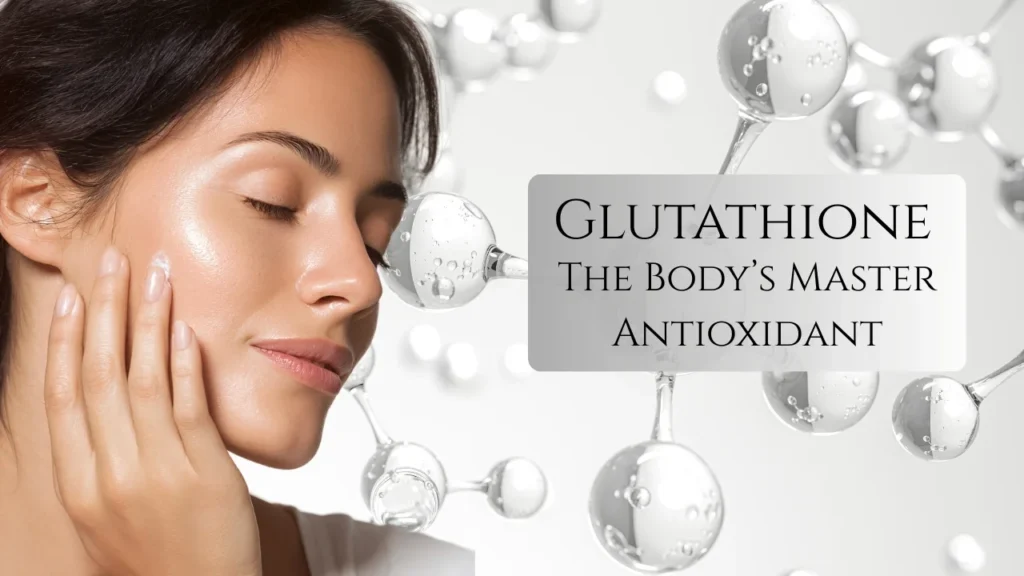
Glutathione is a natural antioxidant that your body makes on its own, inside every cell. It is often called the master antioxidant because it plays a central role in antioxidant defense and detoxification, helping protect cells from daily damage.
Unlike vitamins that come from food or supplements, glutathione is produced by the body using amino acids. Its active form, known as reduced glutathione, works continuously to neutralize harmful substances and support normal cellular function, making it a core part of the body’s internal protection system.
How Glutathione Works Inside Your Body
Inside the body, glutathione works quietly but constantly to keep cells stable and healthy. In its active form, known as GSH, it protects cells from oxidative stress caused by free radicals. These unstable molecules are produced during normal metabolism and also increase due to pollution, stress, illness, and certain medications. When free radicals are not controlled, they damage cells and disturb the body’s redox balance. Glutathione helps restore this balance by neutralizing harmful compounds and supporting normal cellular activity.
Glutathione is especially important for detoxification and immune function. In the liver, it attaches to toxins and drug by‑products so the body can safely remove them. At the same time, it supports immune cells, helping the body respond effectively to infections and inflammation.
| Function | System | Role |
|---|---|---|
| Neutralizes toxins | Cells | Prevents damage from oxidative stress |
| Supports detox | Liver | Binds with heavy metals and drug by-products |
| Enhances immunity | Immune system | Supports normal activity of NK cells and T cells |
| Repairs cells | DNA / Proteins | Helps control inflammation and limits cell damage |
Why Glutathione Is Known as the ‘Master Antioxidant’
Glutathione earns the title of “master antioxidant” because of how powerfully and uniquely it supports the body’s entire cellular defense system. Unlike many antioxidants that work alone, glutathione actively helps regenerate other antioxidants like Vitamin C and Vitamin E after they are used, making them effective again. This process, known as antioxidant regeneration, is essential for maintaining long-term protection inside cells.
It also plays a central role in neutralizing hydrogen peroxide and other harmful substances that build up during normal metabolism or exposure to pollutants. Through its interaction with the enzyme glutathione reductase, it constantly shifts between its active and inactive form, ensuring a continuous defense against free radical scavenging.
Glutathione’s ability to restore redox balance, limit inflammation, and support energy production in the mitochondria makes it indispensable for health, not just protection. It works behind the scenes to keep your cells working efficiently and your system stable under stress.
What Causes Low Glutathione Levels?
- Chronic stress
Long-term stress increases oxidative processes in the body, leading to GSH depletion and reduced ability to neutralize harmful molecules.
- Pollution and smoking
Exposure to air pollution, cigarette smoke, and other environmental stressors generates excess free radicals, which overwhelm glutathione reserves.
- Poor nutrition
A diet lacking in protein, sulfur-rich vegetables, or antioxidants limits the body’s ability to produce and maintain glutathione.
- Aging and infections
As we age, the natural production of glutathione declines. Chronic infections also increase oxidative pressure, contributing to oxidative imbalance and damage to aging cells.
- Excess alcohol and medications
Regular alcohol intake and certain drugs force the liver to work harder, using up large amounts of glutathione to break down toxins, eventually lowering its available levels.
Foods That Support Glutathione Production
While the body makes glutathione on its own, certain antioxidant foods can help support its natural production and maintain healthy levels. These foods are rich in glutathione precursors like sulfur, cysteine, and selenium, or provide nutrients that protect existing glutathione from damage. Including them in your diet can improve your body’s defense against toxins and oxidative damage.
| Food | Nutrient | How It Helps |
|---|---|---|
| Broccoli, garlic | Sulfur | Builds GSH structure (sulfur-based core) |
| Oranges, bell peppers | Vitamin C | Protects glutathione from oxidation |
| Chicken, lentils, eggs | Vitamin C | Supply amino acids for GSH synthesis |
| Spinach, avocado | Direct GSH + cofactors | Provide natural GSH and help sustain levels |
| Nuts & seeds | Selenium | Supports enzyme activity linked to GSH |
Glutathione and Skin Brightening – What Science Really Says
- Myth: “It whitens skin”
- Fact: Glutathione does not bleach or whiten skin. It helps with melanin reduction by mildly slowing pigment production, leading to a gradual improvement in skin tone over time.
- Myth: “IV glutathione gives instant glow”
- Fact: Clinical studies show skin brightening results only after 4 to 12 weeks of consistent use. This effect is subtle and varies by individual. The improvement is often due to tyrosinase inhibition, not instant bleaching.
- Myth: “Natural = always safe”
- Fact: While glutathione is produced naturally by the body, taking it in large, unregulated amounts can disrupt redox balance. Overuse may interfere with how the immune system uses free radicals for signaling and protection.
- Myth: “It works the same for everyone”
- Fact: Response to glutathione varies. Factors like genetics, lifestyle, sun exposure, and form used (topical, oral, IV) affect results. In most people, topical glutathione shows better results for hyperpigmentation than oral supplements.
Types of Glutathione Supplements: What Works & What Doesn’t
Glutathione supplements are available in different forms, but their effectiveness largely depends on how well the body can absorb them—this is called bioavailability. Some forms are broken down too quickly in the digestive system, while others are designed to deliver glutathione more directly into the bloodstream. Here’s a comparison of the most common options:
| Form | Absorption | Notes |
|---|---|---|
| Oral (regular) | Very Low | Less than 1%; quickly degraded in the stomach, minimal effectiveness |
| Liposomal | High | Uses fat-based coating to improve absorption; 6x better plasma levels |
| Sublingual | Moderate–High | Absorbed under the tongue, bypasses liver; faster and more reliable |
| IV Infusion | 100% | Full absorption but intended for medical use only; may cause side effects |
| NAC / GlyNAC | High (precursor) | These compounds help the body produce its own glutathione effectively |
Among these, liposomal glutathione and sublingual delivery methods are widely considered effective and safe for daily use. NAC (N-acetylcysteine) and GlyNAC are also excellent choices for those looking to support antioxidant supplements naturally by improving their body’s internal production. IV infusion, though fully absorbable, is only advised under medical supervision due to potential risks.
Is It Safe? Risks & What to Watch Out For
Glutathione has a strong safety profile when used responsibly, especially in oral and topical forms. These are generally well-tolerated and widely used in wellness routines. However, not all delivery methods are equal in safety. In particular, IV infusions, while effective in raising glutathione levels quickly, can come with real risks—especially when done without medical supervision.
Here are important safety considerations:
- Oral & topical glutathione are generally safe when taken in recommended doses from reliable sources.
- IV glutathione drips carry risks of allergic reactions, liver or kidney strain, and should only be done under clinical guidance.
- Avoid unregulated clinics or beauty salons offering injectable glutathione without prescriptions or proper screening.
- Always check for a Certificate of Analysis (CoA), clearly labeled dosage, and ensure the product is from a licensed seller.
- People with G6PD deficiency should avoid high doses or combinations with vitamin C, as this may cause harmful side effects like red blood cell breakdown.
- Overuse or glutathione overdose can disrupt redox balance and impair how the immune system responds to infections.
Final Thoughts
Glutathione isn’t a miracle drug, but it plays a vital role in your body’s defense system. From supporting long-term immunity and detoxification to slowing down cellular damage linked to aging, its importance is backed by real science. While it’s not a quick fix, using the right form—combined with a healthy lifestyle and realistic expectations—can make it a valuable part of your overall wellness routine.
FAQs
Q1: Does glutathione lighten skin?
Ans: Slightly, with long-term use; it helps reduce pigmentation but is not a fairness agent.
Q2: What’s the best form to take?
Ans: Liposomal or sublingual forms offer better absorption and effectiveness.
Q3: Can I take it without a doctor?
Ans: Yes, if you’re using standard oral or topical products. IV glutathione should only be taken under medical supervision.
Q4: How long before I see results?
Ans: Typically between 4 to 12 weeks, depending on your body, dosage, and form used.
Q5: Is it safe for everyone?
Ans: Generally safe, but individuals with specific medical conditions (like G6PD deficiency) should consult a doctor before starting.
Medical Disclaimer:
This content is for informational purposes only and not a substitute for medical advice. Always consult a licensed healthcare professional before starting any supplement, including glutathione. Do not self-medicate, especially with injectable or high-dose forms.